
Have you ever thought about how technology might make it easier to manage your health? Imagine a tool that mixes sensor data with your everyday observations. It quickly alerts both you and your doctor when something changes.
Digital symptom trackers are transforming how we care for our health. They provide timely insights and act like a friendly partner who is always tuned in. This smart technology helps simplify your care and gives you more control over your well-being.
Stay with us to see how these trackers are reshaping health monitoring. Isn’t it comforting to know that with this tool, your care feels both secure and personal?
How Innovative Digital Symptom Trackers Transform Health Monitoring
Digital symptom trackers make health monitoring simple and safe by catching changes in conditions like chronic illnesses, menstrual issues, and mental health as they happen. They use smart tools like artificial intelligence and machine learning to mix what you share with sensor data from your wearable devices. Imagine your mood log and heart rate working together to spot early signs of a flare-up. One user shared, "I felt more confident managing my treatment when alerts helped my doctor adjust my plan quickly." These smart tools give a clear picture of your everyday health and support both patients and doctors.
New platforms for monitoring offer a friendly, high-tech way to watch over your wellness by sending timely alerts and useful health tips. Studies even show that remote tracking can ease worry and improve life quality for patients, like those going through chemotherapy. Digital dashboards help care teams know exactly when to step in and tailor treatments to your needs. With up-to-the-minute data, these trackers let you manage your health proactively and can even reduce the need for frequent office visits. In short, digital symptom trackers are reshaping healthcare by keeping everyone informed and secure, opening the door to a more reliable future in care.
Core Features of Next-Gen Symptom Tracker Technologies

Personalized logging forms make it easy to record your symptoms. They feature smart layouts that adjust based on your answers and even do some of the math for you. Whether you’re online or offline, your health notes are saved safely. Imagine jotting down, "My energy dipped after lunch," and the system turns that into data you and your doctor can work with.
AI-powered tools add an extra layer of insight. These smart systems use models that, think of them as clever decision trees and digital brain networks, to spot early signs of conditions like PCOS, endometriosis, or breathing problems. You can even try an AI symptom checker that reads these signals and gives you advice tailored just for you. Picture getting a friendly alert that encourages you to see a specialist before things get worse.
Customizable reminders and push notifications help keep you on track with your daily health log. They can be set to fit your personal schedule, making your tracking feel like a gentle nudge rather than a burden. Your health data is stored securely in the cloud, with encrypted access that lets remote clinicians review your records in real time. This means your healthcare team can quickly spot trends and step in when needed.
Integrated patient observation solutions bring together your inputs with automated calculations for clear care assessments. With smartphone tools and advanced mobile logging devices, these systems give you vital health insights right when you need them.
Integrating Wearable Diagnostic Recording Gadgets into Tracking Platforms
Wearable devices and health tracking systems now work as a team. When you use devices like Fitbit, Apple Health, or Oura Ring, they send key health signals, such as your heart rate and sleep quality, directly to your daily log. It’s like having a friendly assistant that keeps track of how you’re really doing every day.
And it gets even better. Modern gadgets let you capture photos and videos on the spot and sync the data even when you’re offline. Imagine taking a quick video of a strange skin reaction and watching it securely join your health record. Meanwhile, keeping tabs on things like blood pressure and breathing can alert you if something feels off, like noticing rapid breaths that might need a closer look.
These smart sensors give you clear, real-time insights about your health. They combine your personal notes with real data to tell a complete story about your wellbeing. This way, both you and your healthcare team can catch any issues early before they turn into big problems. For a closer look at these advanced health tools, check out https://healthyfax.com?p=659.
AI-Powered Condition Assessment and Predictive Analytics in Symptom Tracking
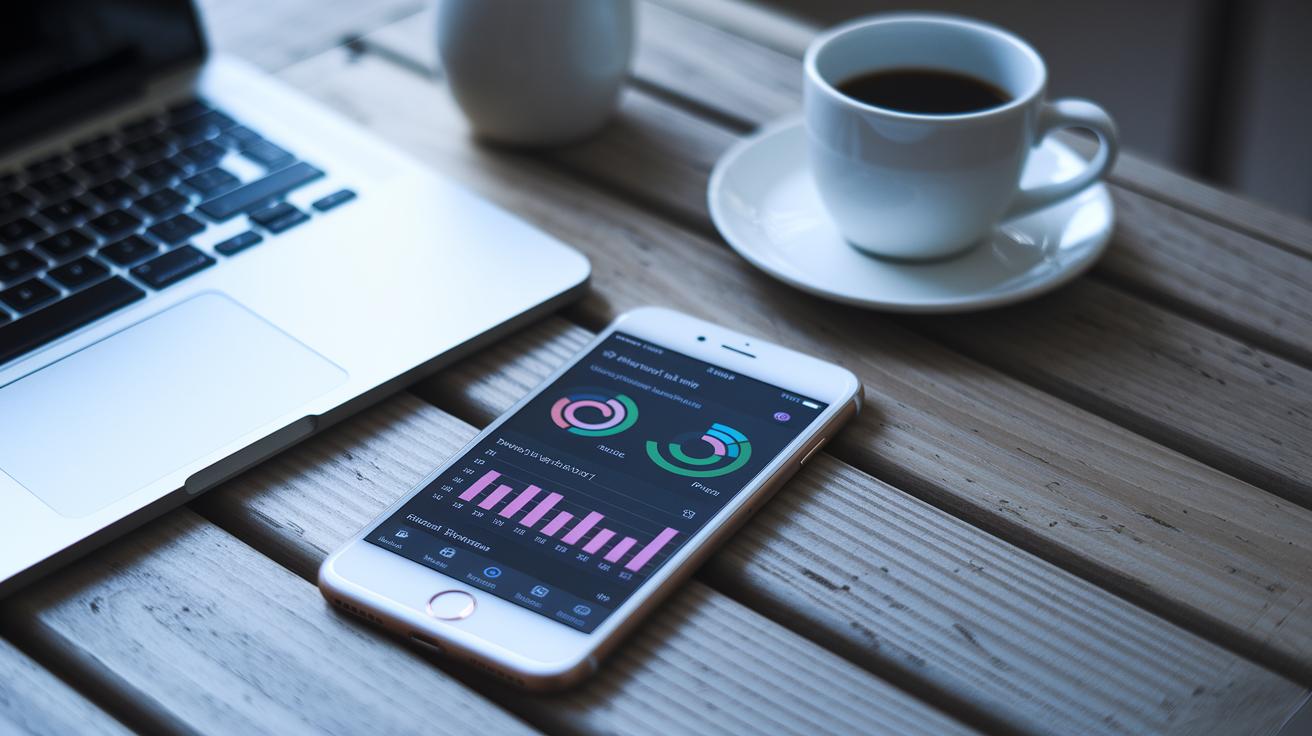
Our smart models look over your past health logs to find tiny clues that may signal an upcoming symptom flare. They mix historical data with updates from your wearable devices to fine-tune their checks as you go. For example, after a calm afternoon is recorded, the system reviews similar records and notices a small rise in fatigue, then gently nudges you with a quick check-in.
New improvements in how computers understand language have made these predictions even better. The program now picks up on slight mood shifts in your notes. It even shows that a single mention of feeling drained can alert us to low energy and prompts a look at sleep quality in similar cases. This way, everyday notes can become early warnings that help customize your care.
By learning from a bigger mix of real-time cases, our system refines its advice, connecting dots between your records and those of others. This extra layer of insight helps spot issues early and nudges you toward a timely health check.
Digital vs. Traditional Symptom Tracking: A Comparative Analysis
Digital trackers are a game-changer in keeping an eye on your health. They use smart tools like interactive forms and quick calculations to keep clear records of your symptoms. With reminders you can set up and safe cloud storage, your care team can check your updates right away. It’s like having your health information safely logged as soon as you note any change, pretty neat, right?
| Feature | Digital Tracking | Traditional Tracking |
|---|---|---|
| Input Method | Interactive forms with smart options | Handwritten or manual entries |
| Calculations | Automatic, real-time updates | No quick calculations |
| Reminders | Set up push alerts | No automatic alerts |
| Data Sharing | Instant and secure cloud sharing | Physical or delayed transfer |
| Clinician Access | Immediate review through a live interface | Limited review options |
These digital systems not only make tracking easier but also give you interactive charts and timely alerts. With clear and immediate records, decisions on care can be made quickly and based on real facts. Isn’t it reassuring to know your health details are always at your doctor’s fingertips?
Case Studies: Real-World Impact of Innovative Symptom Tracker Technologies
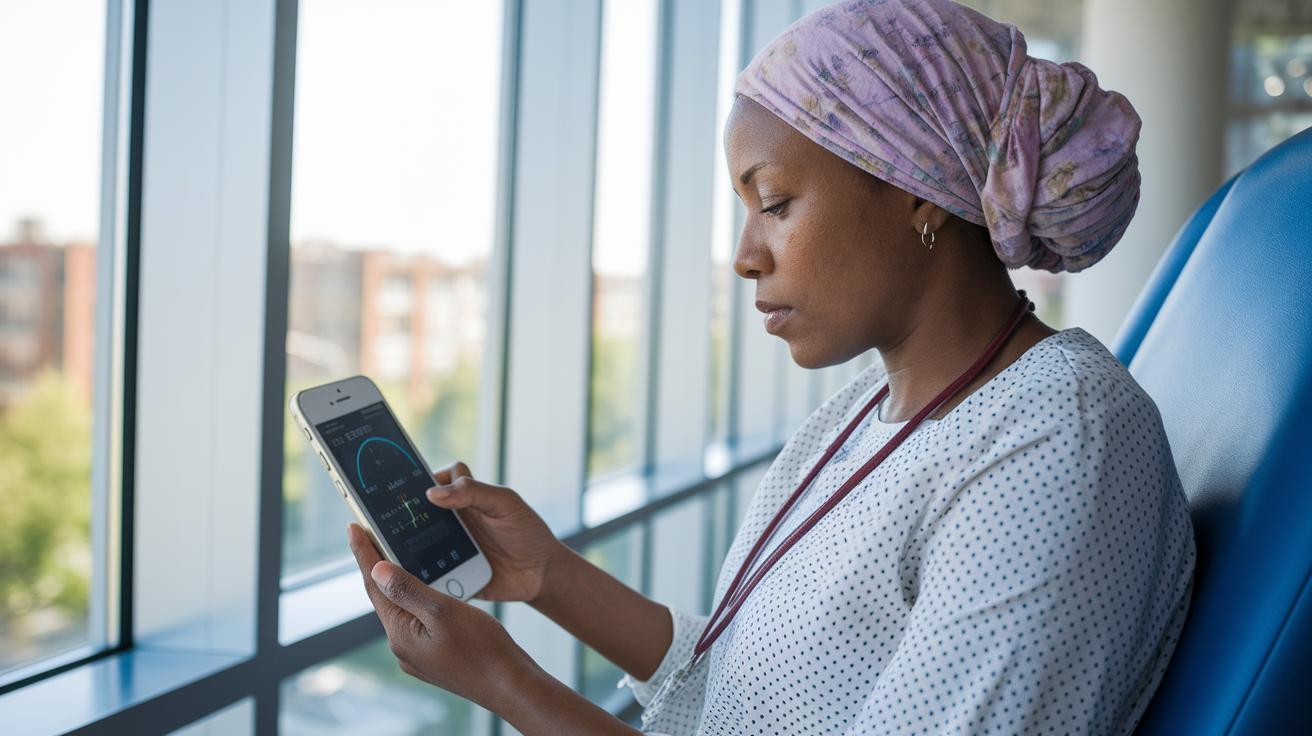
At one oncology center, staff used an interactive care tool that made chemotherapy sessions feel a bit less daunting. One patient shared, "Logging my symptoms every day made me feel truly heard, and that helped ease my worries." The system sent gentle reminders for updates, which lowered anxiety and kept patients engaged with their treatment.
Patients with chronic conditions, like asthma and heart issues, also saw big benefits. For instance, an asthmatic user noticed slight increases in shortness of breath, which instantly set off an alert. This prompt review by her healthcare provider via remote tools helped keep her on track. In another case, a heart disease patient observed changes in his breathing, and the system flagged them early. His doctor was then able to respond quickly, preventing further complications. These examples show that real-time updates and alerts can truly save lives by allowing fast action.
Mental health care improved a lot with the help of wearable sensors. By monitoring things like blood pressure, breathing, and even speech patterns, the system offered personalized tips for managing stress and anxiety. One user said, "I liked that my mood was tracked along with what I was feeling physically, it really helped focus my therapy." This hands-on approach boosted traditional treatment methods, leading to more accurate, effective care.
In women’s health, these smart symptom trackers have been key in spotting early signs of issues like endometriosis and PCOS. Women using the tools received early diagnoses and clear advice on managing their cycles, which even helped with timing for fertility. The mix of manually entered data and sensor readings gave a complete picture of their health, building trust in digital care and making remote monitoring smoother.
Emerging Trends and Future Directions for Innovative Symptom Trackers
The new symptom trackers are paving the way for smarter wellness management. These tools offer secure and customizable data collection forms that you can set up in minutes. Imagine having a form that works both online and offline, so you’re gathering real-time data whether you're connected or not.
Blockchain technology is joining the scene to help keep your health information safe and unchangeable. Think of it as a special diary where every entry is locked away securely with a unique key. At the same time, virtual reality and smart devices are making remote check-ups much more interactive. Picture stepping into a virtual room to review your health records, with your wearable device data seamlessly helping to shape your personal care plan.
Telehealth is also evolving quickly. With these improvements, doctors can access your health details faster and more securely, making it easier to serve people in areas where healthcare is hard to reach.
Looking forward, predictive analytics will help spot changes in your health early on. This means you can take control of your well-being before things become serious, and care teams will have the confidence to step in quickly. Together, these advances promise a future where technology and healthcare work hand in hand for a smoother, more supportive experience.
Final Words
In the action of streamlining patient management, digital trackers are making a real difference. This article showed how AI, sensor data, and real-time alerts work together to boost care and reduce anxiety. The use of wearable devices and predictive analytics creates a smoother, secure experience for both providers and patients. Embracing innovative digital symptom tracker technologies promises a future where healthcare feels personalized, dynamic, and reassuring.
FAQ
What is a free symptom tracker app?
A free symptom tracker app offers a no-cost way to log and monitor your health symptoms. It provides simple tools for daily tracking, helping you notice changes and discuss them with your doctor.
What is the best free symptom tracker for chronic illness?
The best free symptom tracker app for chronic illness combines ease of use with robust features. It lets you record symptoms, spot trends early, and share updates with your care team for proactive health management.
What makes a great symptom tracker app on Android?
A symptom tracker app on Android features an intuitive design, reliable data entry, and secure sharing options. It helps you easily log your health information and keep your care provider informed—all from your phone.
Are apps like Bearable and Symple effective as a health diary?
Bearable, Symple, and similar health diary apps provide user-friendly tools to record daily symptoms. They offer smart notifications and reminders to ensure consistent tracking, which supports better overall health insights.

