
Have you ever wondered if your daily health logs truly get to your doctor during a virtual visit? In today’s world, tools like symptom trackers and online appointments help bring care to you quickly and personally.
A recent survey shows that over 80% of people use these tools to keep an eye on their health, moving away from long waiting rooms and toward real-time feedback. By sharing your self-reported symptoms along with digital consultations, your doctor can get a clearer picture of your condition even before you connect.
Achieving Seamless Integration of Symptom Trackers with Telehealth
When symptom trackers and telehealth work together, they make your healthcare experience smoother. These tools first check how you’re feeling and then help guide you to the right digital services. For example, a recent survey found that over 80% of people would use a symptom tracker for health management, while almost half weren’t sure if they needed a doctor’s visit. This insight builds trust in self-monitoring and lets healthcare providers tailor care to your needs.
When you record details like a symptom’s strength on a scale of 1 to 10 or describe a specific sensation, the information mixes with telehealth data to help your doctor understand your condition even before a virtual appointment. Whether it’s a video, text, or chat consultation, real-time data makes the process quicker and more personal.
Still, linking these systems isn’t always easy. Many health record systems and telemedicine platforms have trouble sharing data, which can slow things down. But using strong APIs and common standards like HL7 FHIR (a set of rules that help systems talk to one another) can smooth out these bumps. By focusing on both technology and care needs, providers can better match patients with the right services.
Building a strong connection between symptom tracking and digital health services not only boosts telemedicine use but also encourages more active patient engagement. Each well-connected interaction moves you closer to care that is timely, responsive, and truly personal.
Enhancing Patient Engagement through Real-time Health Tracking in Telehealth

When telehealth systems include symptom tracking, sharing info becomes simpler and care feels more personal. Digital diaries and mobile apps now come with features like a friendly alert that says, "Time to log your mood!" This little reminder helps patients easily note down important feelings. For example, one patient might record, "At 8 AM, I felt a spark of anxiety during my commute," which gives doctors a clear idea of what to adjust in care.
Everyday logs also let patients capture real moments. A quick entry might show how a short walk brings calm or point out signs like shortness of breath. Bringing together smart tech and real-life notes makes remote monitoring feel genuine. It keeps patients more involved and helps tailor care to fit each person perfectly.
Technical Framework for Telehealth and Symptom Tracker Interoperability
Online health systems and electronic records often have a tough time sharing data smoothly. They can struggle to pass information along as easily as we’d like. To make things work better, modern systems use simple, clear tools. Secure APIs and common standards like HL7 FHIR help different platforms talk to each other reliably. Cloud-based RESTful services add an extra layer of trust by keeping data safe and ready whenever you need it.
Key technical methods include:
- APIs that let symptom tracking apps and telehealth systems share data.
- HL7 FHIR standards that work as a common language for health records.
- Cloud-based RESTful services that help process data fast and safely.
Health devices also play a big role in this setup. Devices like wearables send real-time information, like your heart rate or how active you are, directly to telehealth dashboards. So, if your wearable notices your heart rate rising during a workout, that update can reach your care provider immediately. These devices now connect with digital systems using secure channels. In fact, some even use features from wearable tech for health to ensure the data is accurate and timely.
All these clear standards and secure connections work together to overcome the challenges of system integration. When symptom trackers and telehealth platforms create a smooth path for data, it leads to more personalized care and a system that truly responds to your needs.
Optimizing Telemedicine Workflows with Integrated Symptom Data
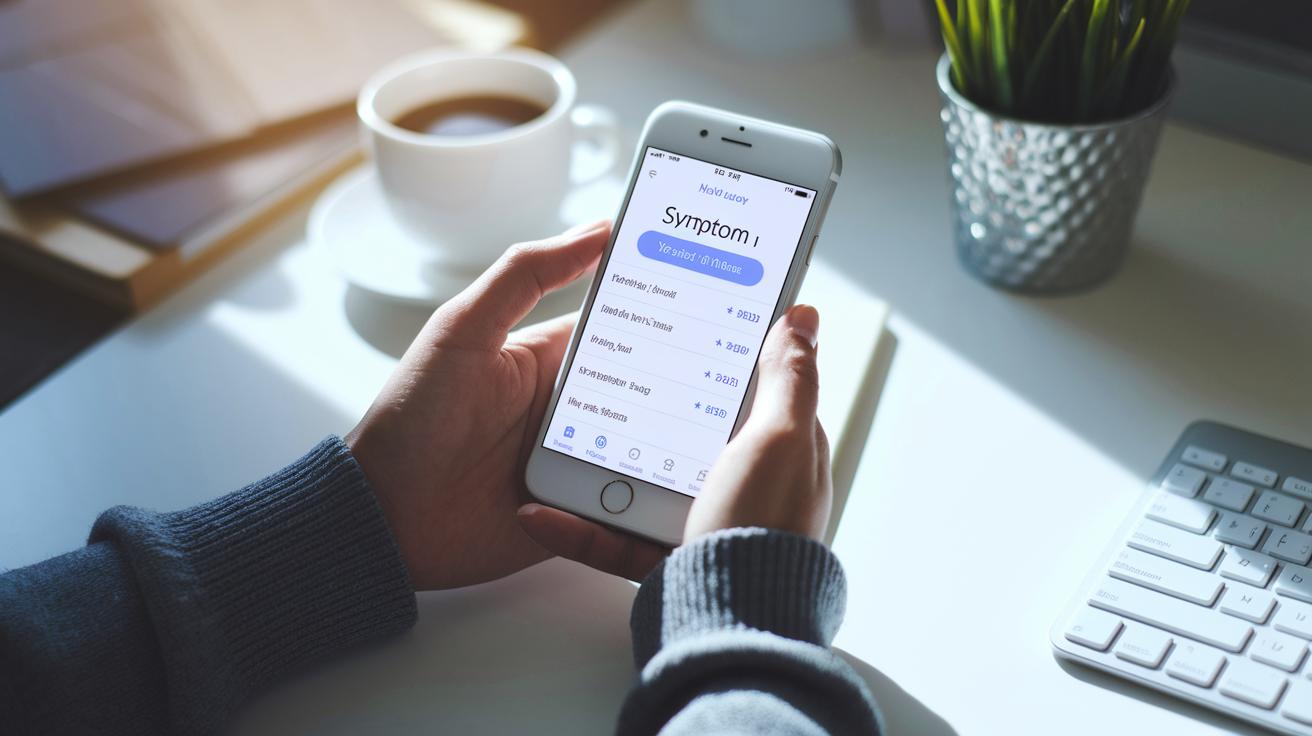
Patients can feel confused when they see a busy online booking screen with countless options. By letting you share your symptoms when you schedule your appointment, telemedicine providers aim to ease your stress right from the start. A quick review of how you're feeling can help decide the best next step for your care. For example, you might be asked, "How bad is your headache today, on a scale of 1 to 10?" This simple question can help determine if you need a video call or perhaps a lab test.
Key ways to make things smoother include:
- Collecting your symptom details ahead of time with easy-to-use digital diaries or apps.
- Allowing the system to check your symptom entries and suggest the best type of appointment.
- Directing you to the right service, whether that means a video consult, chat, or a quick lab test.
- Automatically setting up a follow-up after your visit to see how you’re doing.
When symptom details are gathered before the visit, you feel more secure and really listened to. These steps help avoid rushed or piecemeal care. Instead of relying on last-minute visits, a careful check of your symptoms creates a smoother care experience and builds trust over time. Every bit of information helps ensure that your appointment is as informed and helpful as possible.
Ensuring Secure Health Data Exchange between Symptom Trackers and Telehealth Platforms
In the world of digital health, it’s essential to move your symptom data safely from one app to another. This means using strong, HIPAA-friendly encryption like TLS 1.2 or newer to keep your personal details private. Think of it as a trusted locked door that only you and your care team can open.
APIs that use OAuth 2.0 check that only approved devices or people can view your data. It’s like having special keys for different rooms, ensuring everyone sees only what they need. Plus, the system keeps a clear log of every access, so you always know who did what.
Cloud platforms add another layer of safety by keeping each user’s information separate, just as if each piece of data were stored in its own safe. With these steps in place, your health data moves from one secure platform to another while meeting strict privacy rules.
Just imagine, every time your health data is shared, it feels like sending a secret message that promises the utmost protection.
Case Studies: Real-world Applications of Symptom Tracker Integration in Virtual Care

Symptom trackers are a handy tool for managing both anxiety and long-term health conditions. They record simple details like the date, time, and on a scale of 1 to 10, how strong the feeling is. They also note physical sensations, thoughts, and possible triggers. For example, one patient shared, "At 7 AM, my heart was pounding, and I felt a sudden wave of nervousness." This note helped the provider see a recurring anxiety pattern over a few days.
Digital apps with built-in reminders and wearable devices help capture real-time information. Some patients even keep digital diaries to write down not only how they feel physically but also what’s going on in their minds. This extra information becomes very useful during telehealth sessions to guide a personalized approach in therapies like cognitive-behavioral therapy. For instance, a patient who consistently logged their panic symptoms allowed a therapist to adjust the sessions to better meet their needs.
Programs such as Mission Connection bring together self-reporting and treatment guided by a licensed therapist. These programs follow a set workflow where symptom entries are reviewed before each virtual appointment. This process leads to higher patient involvement and more accurate treatment tweaks. Another example includes using data from wearables that is shown directly in the telehealth system. This clear, ongoing data sharing helps providers notice even small changes, ensuring that care is both immediate and supportive for long-term health challenges.
Addressing Integration Challenges and User Adoption Barriers
Many patients still lean toward traditional, in-person visits because they feel more comfortable with a face-to-face meeting. They might not be at ease with digital tools or even aware of telehealth options. This can lead to a mix of treatments and follow-ups that sometimes leaves patients confused and weakens their trust in their provider. It feels a bit like trying to piece together a puzzle when advanced symptom trackers and older healthcare systems don’t easily work together. When data between devices and telehealth platforms doesn’t sync smoothly, both patients and providers end up feeling frustrated, and that can hurt the reliable care they expect.
Key obstacles include:
- User resistance from not being familiar with new systems.
- Technical issues because electronic records and telehealth tools often don’t integrate well.
- A lack of proper training and support for patients and staff alike.
To overcome these challenges, it helps to educate patients about the real benefits of digital care. Imagine learning to use a new phone, it feels great once you see how easy it is! Using unified interfaces across all systems creates a seamless experience, like turning a series of complex tasks into simple steps. Also, offering thorough training and clear instructions can bridge the digital divide, encouraging everyone to use tools like symptom trackers. By taking these steps, we not only make virtual care more accessible but also help build the trust and connection that keeps everyone engaged.
Emerging Trends: AI-driven Analytics and the Future of Integrated Symptom Tracking in Telehealth
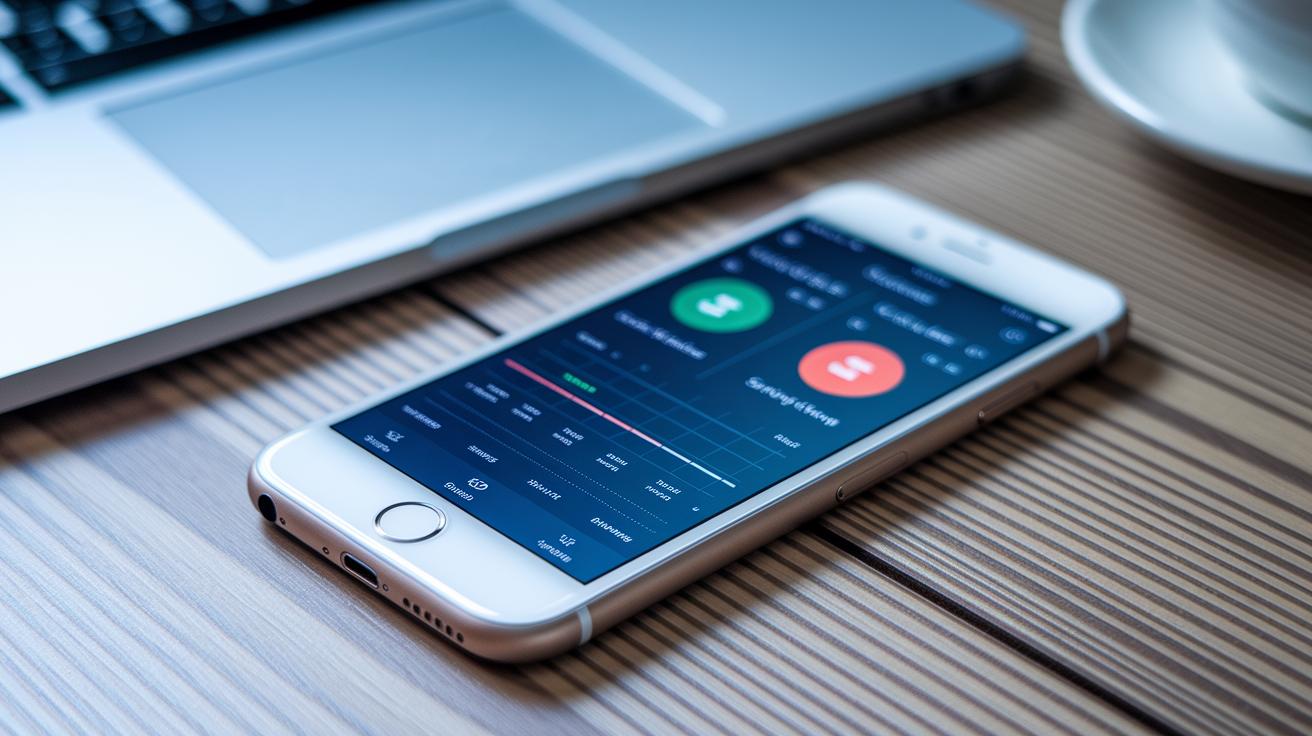
New-generation symptom checkers are quickly becoming handy tools that work right alongside telehealth and e-prescription systems. These systems use AI to study your symptoms and even forecast problems before they get serious. Experts say that this emerging field might generate up to €8 billion each year, and payers along with drug companies are eager to join forces to explore its potential. Imagine a tracker that not only records your symptoms but also predicts flare-ups, for example, one that notices slight changes at 7 AM and warns you of discomfort later in the day. It is a clear sign that timely data helps doctors take care of you before things worsen.
Smart analytics gather information from many places and help clinicians make quick choices. By using insights from AI, telehealth platforms can adjust treatment plans right away. Partnerships with digital health innovators are making virtual care more reliable and personalized. This change is revolutionizing how patients are monitored and supported, keeping remote care as connected and caring as appointments made in person.
Final Words
In the action of transforming healthcare communication, this article highlighted how integrating symptom trackers with telehealth enhances patient care, streamlines clinical workflows, and secures data exchange. We covered real-time tracking tools, technical standards for EHR and platform interoperability, and practical case studies showing improved remote therapy outcomes. A friendly mix of evidence-based insights and secure integration practices demonstrates how simple innovations can make a big difference. This balanced approach keeps communication clear and reliable, paving the way for a future where every patient feels listened to and truly cared for.
FAQ
What to avoid when using telehealth?
The best practices for telehealth avoid using unsecured networks and non-HIPAA-compliant platforms. They caution against sharing personal details on public Wi-Fi and neglecting encrypted connections to protect sensitive health data.
What are two legal concerns with telehealth?
The legal concerns with telehealth include upholding patient privacy under HIPAA rules and obtaining clear informed consent for remote treatments. Both issues require providers to adhere to strict guidelines and clear communication.
What is the best app for symptom tracking?
The best app for symptom tracking depends on your needs. The top choices offer simple daily logging, clear visual reports, and smooth integration with telehealth services to help manage health effectively.
Is remote patient monitoring considered telehealth?
The concept of remote patient monitoring falls under telehealth. It involves collecting patient data like vital signs in real time and securely transmitting it to healthcare providers as part of ongoing care.

