
Have you ever wondered if a fresh, youthful look might start with your very own blood? PRP treatment takes a tiny sample of your blood and turns it into a natural boost that helps your skin heal and smooth out scars. It can even help with hair growth and ease joint pain from injuries. In this guide, we walk you through each step of the process, showing how your body’s own repair kit can refresh your appearance and help you feel more confident.
Understanding PRP Treatment: Definition and Key Applications
PRP treatment starts with a small sample of your blood that is spun in a centrifuge to separate its parts. In this simple process, the healing parts, platelets and plasma, are isolated so that they can be injected into the area that needs repair. Think of it as using your body’s very own repair kit that’s ready to help you heal.
Platelets carry natural proteins called growth factors, which work like friendly signals to kickstart tissue repair. They gently remind your cells that it’s time to fix the damage. This little boost can help speed up recovery and improve the health of the treated area.
Doctors use PRP in many different ways. In orthopedics, it can help mend tendon and joint injuries without surgery, easing pain along the way. In dermatology, a PRP injection can even enhance your skin’s texture, reducing acne scars or wrinkles. And if you’re exploring options for hair restoration, PRP is often a favored choice, there’s plenty to learn from treatment options for hair loss. Every application shows just how versatile this treatment can be in supporting your body’s natural healing gift.
The positive effects of a PRP session generally last between six and twelve months, though sometimes extra sessions may be needed. Most patients feel only a little swelling or mild discomfort, and you can feel secure knowing that strict safety steps keep the process reliable and safe.
prp treatment: Rejuvenate Your Look
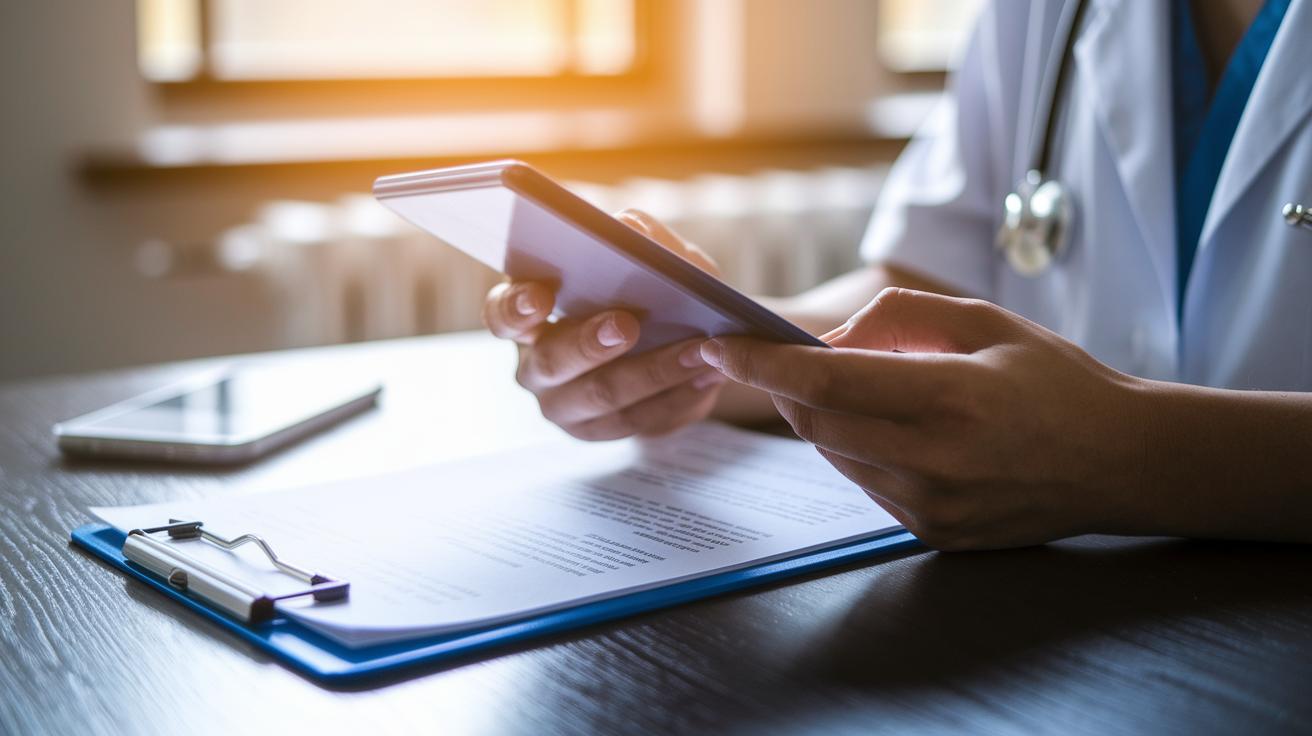
Getting ready for a PRP treatment is like setting the stage for a great show. It prepares your body for healing and gives you a fresher look. Your doctor will look over your health history and may ask you to stop taking items like NSAIDs or blood thinners. This simple step helps ensure your platelet count is just right for the procedure.
The treatment follows these easy steps:
- Health assessment and getting your consent
- Drawing a small amount of your blood
- Processing the blood in a centrifuge (a spinning machine that separates components)
- Isolating and concentrating the plasma
- Carefully injecting the plasma into the target area
- Watching you for a short time right after the injection
Each step is done with attentive care so that the healing parts of your blood can work effectively. For joint treatments or sports injury care, the process usually lasts around one hour. Cosmetic treatments may take a little longer to ensure every detail is perfect.
Before your session, you might need to pause taking certain medications, based on your health history. These pre-treatment steps help lower risks and make sure you feel safe and comfortable. After the injections, a brief observation period makes sure there are no immediate reactions, giving you a confident start on your journey to refreshed skin.
prp treatment: Rejuvenate Your Look
PRP treatment uses the platelets from your own blood to boost healing in your body. Many patients start to feel better from tendon or ligament problems and joint pain relief in just two to four weeks.
It also works wonders in cosmetic care by smoothing skin texture, reducing wrinkles, and even encouraging hair growth. One patient said, "My skin feels renewed, as if nature itself pressed the refresh button."
During treatment, you might feel a little pinch during injections, and you may notice some temporary redness or swelling. Rest assured, doctors use sterile tools and handle everything with care to keep risks extremely low.
Everyone reacts differently. Some see big improvements, while others notice only a few changes.
Eligibility for PRP Treatment: Candidates and Contraindications
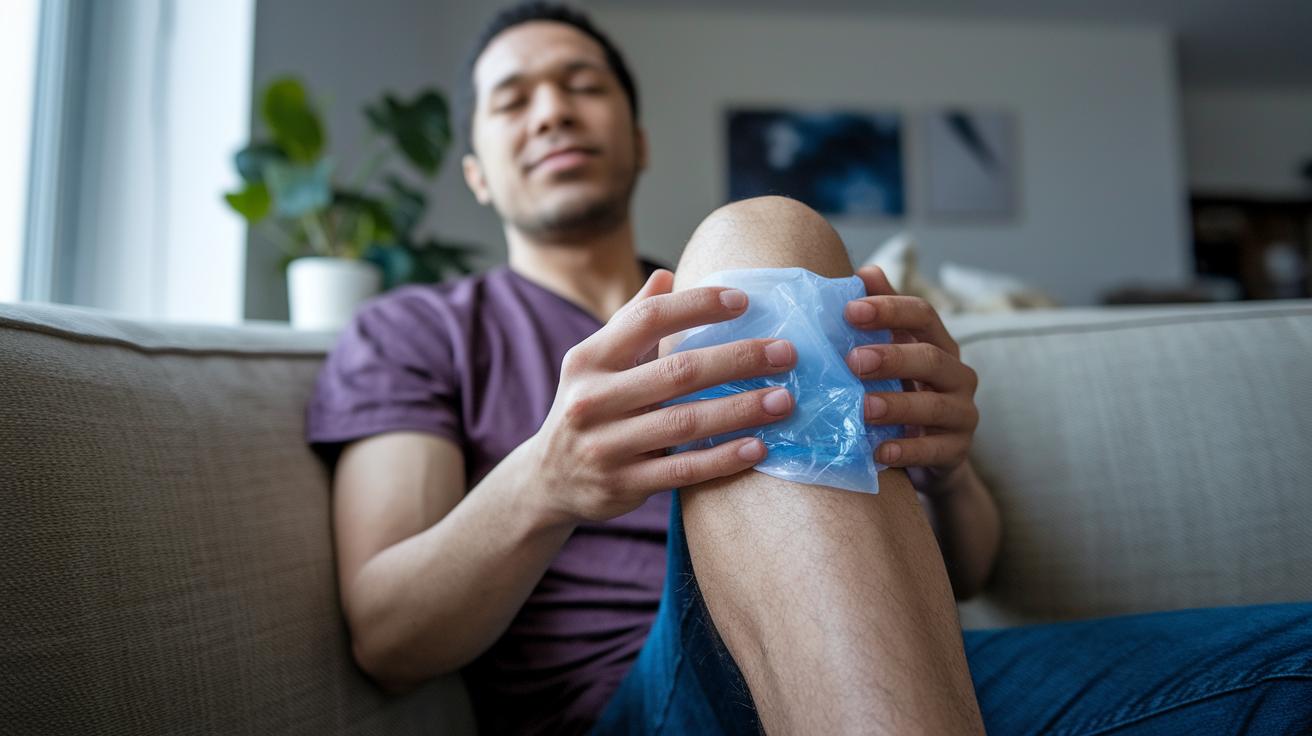
People who might benefit from PRP injections often have ongoing tendon injuries, early osteoarthritis, certain types of hair loss like androgenetic alopecia, or even the first signs of aging skin. These treatments use your own platelets to help jumpstart your body's natural healing process. Your doctor will run some blood tests, check your health history, and do a quick physical exam to see if PRP is a good fit for you. This careful review helps make sure PRP works well with your body.
On the flip side, there are a few cases where PRP isn’t the best choice. If you have issues with your platelets, an active infection, or cancer, you might need to avoid it. Plus, if you're pregnant or on blood thinners, there's a higher chance of risks during the treatment. These guidelines help keep you safe and make sure side effects are kept to a minimum.
It’s always a smart move to chat with your healthcare provider to see if PRP fits your current health needs and treatment goals.
Recovery and Expected Outcomes After PRP Treatment
After your PRP session, your body naturally starts to heal. You might feel a little sore or notice some swelling in the area that was treated, especially during the first couple of days. Whether the treatment was for a cosmetic reason or to help with a sports injury, these signs mean your body is doing what it should. If you had a cosmetic procedure, you can usually get back to your normal routine right away. If it was for a sports injury, you might want to take it easy for a couple of days while your body settles in.
| Phase | Timeframe | Patient Instructions |
|---|---|---|
| Immediate | 0–2 days | Rest, ice, avoid NSAIDs |
| Early Recovery | 3–14 days | Gradual activity, follow-up check |
| Late Outcomes | 4–24 weeks | Monitor progress, consider follow-up treatment |
Over the next few weeks, you may start to feel less discomfort or even notice your skin looking better. While you might see some improvement within two to four weeks, keep in mind that the full benefits of your PRP treatment can take several months to show up. It’s a good idea to keep track of how you feel at each stage and follow your provider’s advice, so you can get the best possible results.
Cost and Insurance Considerations for PRP Treatment

Most insurance plans, including Medicare, usually do not cover PRP therapy. This means you have to pay for the treatment yourself. It’s important to know that insurance rules can affect your choice to try PRP therapy and how much you spend out of pocket.
The cost of PRP treatment can change depending on the area being treated and the type of procedure. For instance, sessions for joint or bone issues usually run from $500 to $2,000 each. On the cosmetic side, treatments like hair restoration or skin rejuvenation typically cost between $600 and $1,500 per session. Many patients think about this cost difference when deciding if the benefits of the treatment are worth the money.
Final pricing depends on several factors. Your provider’s expertise, facility fees, the number of vials needed, and even where you live can all influence the cost. Treatment plans often include one to three sessions spaced 4 to 6 weeks apart, which can add up. Each of these details helps shape a cost that is unique to your situation.
Innovations and Future Trends in PRP Treatment
Doctors are now trying out new treatments that mix PRP with other techniques such as microneedling. Imagine a small roller that gently pricks the skin to create tiny channels. This helps the healing elements in PRP reach deeper, boosting collagen and giving your skin a natural lift. It’s an exciting idea that many practitioners are exploring to help you feel more vibrant.
New devices like advanced point-of-care centrifuge systems and better methods for platelet activation are making PRP preparation even better. These tools work hard to concentrate the healing growth factors in your blood, so you might feel the benefits faster and need fewer treatments. Think of it as getting a personalized, powerful boost just when you need it most.
Researchers are also expanding the use of PRP in areas like chronic wounds, diabetic ulcers, and advanced osteoarthritis. They are fine-tuning how much PRP to use for each person based on their unique blood profile and perfecting the injection methods. This research is paving the way for future treatments that could offer more personalized and effective care for a range of health challenges.
Final Words
In the action, this article walked through how prp treatment works, from drawing blood and concentrating growth factors to injecting into target tissues, highlighting its uses in orthopedics, dermatology, and hair restoration. It also explained key steps of the procedure, eligibility factors, recovery timelines, and cost variables. The discussion offered a clear view of both benefits and risks while hinting at promising innovations ahead. It’s reassuring to know that advanced, evidence-based care continues to make patient outcomes better and communication more secure.
FAQ
Q: What does PRP treatment do?
A: The PRP treatment works by using concentrated platelets from your own blood to encourage healing and tissue repair. It can help with joint pain, skin rejuvenation, and hair growth.
Q: How does PRP treatment benefit facial areas like the eyes and under-eyes?
A: The PRP treatment boosts collagen and cell repair in facial areas. It smooths wrinkles, refreshes the under-eye region, and offers a natural lift with minimal downtime.
Q: How does PRP treatment work for hair restoration?
A: The PRP treatment for hair uses growth factors from your own blood to stimulate hair follicles. This process can help boost hair density and slow thinning in those experiencing hair loss.
Q: What does PRP treatment do for knee issues?
A: The PRP treatment for the knee involves injecting concentrated platelets to support healing in injured joints and tendons, which may reduce pain and improve mobility.
Q: How much does PRP treatment cost and is it covered by insurance?
A: The PRP treatment costs range from about $500 to $2,000 per session for orthopedic issues and $600 to $1,500 for cosmetic uses. Most insurers, including Medicare, do not cover this treatment.
Q: What are the side effects or downsides of PRP treatment?
A: The PRP treatment side effects include minor swelling, redness, or discomfort at the injection site. These effects are usually short-lived, and serious complications are rare when proper techniques are used.
Q: How can I find a clinic offering PRP treatment near me?
A: The PRP treatment provider near you can be found by searching local directories or asking a trusted doctor for a referral to a reputable clinic that specializes in regenerative therapies.

