
Have you ever stopped to wonder how a little pause can bring real joy? Imagine enjoying a good meal, taking a slow, deep breath, or going for a gentle walk that lights up your day.
Research shows that even small acts of self-care can lift your mood and help ease stress. Simple habits like getting enough sleep or whispering to yourself, "I am enough," clear your mind and give you strength.
Today, we'll chat about how taking care of yourself can spark happiness and remind you to celebrate every single day.
self-care and mental wellness sparks joyful living
Taking care of yourself can lift your mood and help you see life in a brighter way. It starts with the basics, good food, enough sleep, moving your body, and giving your mind a break. Research shows that people who make a little effort each day often feel more confident and full of energy. It’s like saying, "I am doing my best today." That small phrase can remind you of your own strength.
Making self-care a habit can truly boost your confidence and lower stress. Many folks notice a clearer mind and sharper focus when they add in a few simple changes. Regular moments of self-kindness reduce worries and help you appreciate even the small joys in life. Sometimes a quiet break can feel like a peaceful pause in the day, a reminder to stop and recharge.
- Enjoy a balanced meal, like a bright fruit salad to start your morning off right.
- Set up a sleep schedule that gives you seven to eight hours of rest so your body can recover.
- Get moving with a gentle walk or even some stretching, which can lift your spirits.
- Use affirmations such as "I am enough" to build a positive mindset.
- Take mindful pauses during your day to enjoy a few calm, quiet minutes for yourself.
Each of these steps is a small part of a bigger journey toward a happier, healthier mind. Try adding one new habit today and notice how it brings more light and joy to your everyday life.
Mindfulness Techniques to Support Mental Wellness
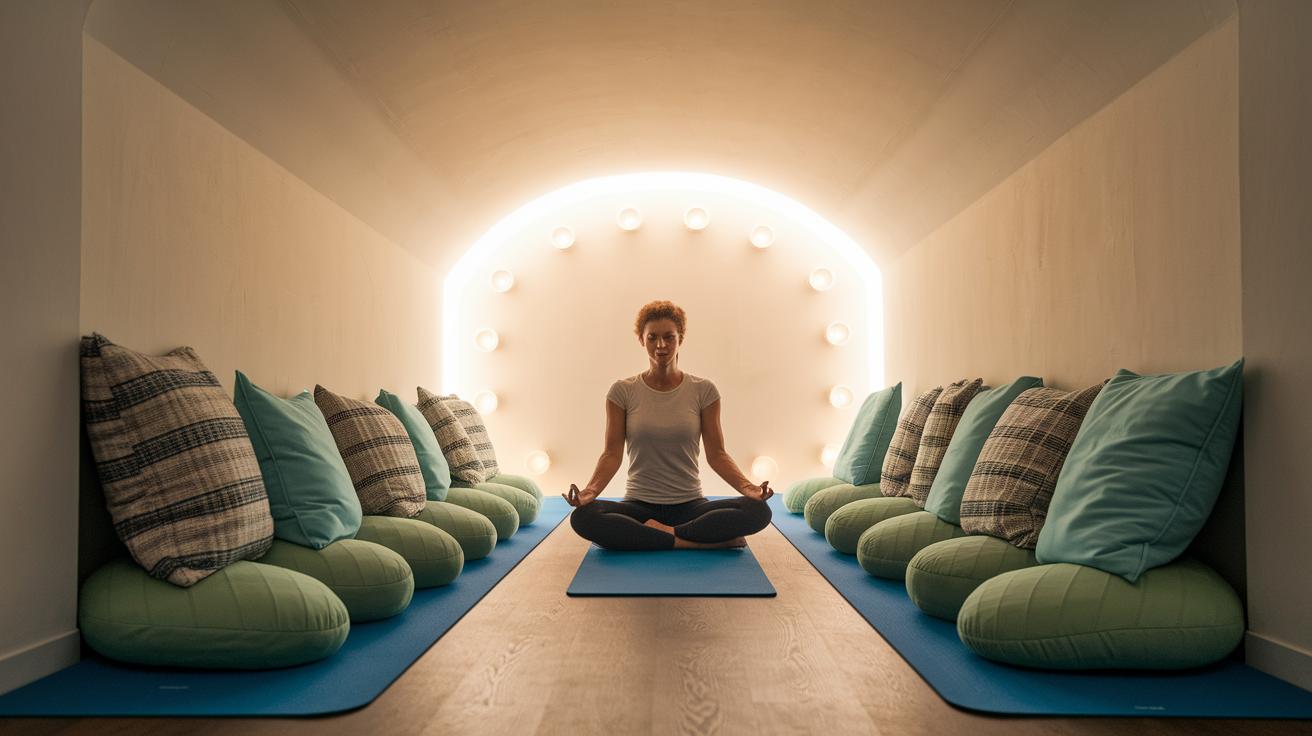
Mindfulness is all about being here and now. It means paying attention to your thoughts and feelings without judging them. Imagine watching soft clouds float by while you simply notice your breath. This easy practice helps you let go of stress and distractions, bringing a soothing sense of calm and clear thinking. Picture yourself in a bright, cozy corner of your home, feeling that friendly warmth as you relax. That's mindfulness at work.
A good way to start is with guided meditation or mindful breathing exercises. Maybe try following a gentle voice or a timer that helps you slowly count each breath in and out. And if your day gets hectic, a quick mindful break, just a minute to take deep breaths, can make a big difference.
Regular mindfulness exercises can lift your mood and clear your mind. Studies say these practices may even help ease feelings of anxiety and depression by boosting emotional balance. Many folks find that a few mindful moments lead to a clearer mind and less stress. To learn more about mindful meditation, click on this link: https://greenjuicelife.com?p=723.
Stress Management Methods for Sustained Mental Wellness
Stress can build up over time and make everyday life feel heavy. Taking a moment to pause, relax your body, and ease your mind can make a big difference. Techniques like guided imagery, muscle relaxation, and deep breathing can help reduce stress hormones and bring you a sense of calm.
Guided imagery invites you to picture a quiet, comforting scene, maybe a sunny park or a peaceful beach. Imagine yourself there for a moment; it can feel like a mini-vacation for your mind and help lower your tension.
Progressive muscle relaxation is a step-by-step way to let go of stress. First, tighten a group of muscles for a few seconds, then slowly relax them. With deep breathing added in, you can feel the stress melt away as your body eases into relaxation.
Other stress relief methods, like yoga and tai chi, combine gentle movement with focused breathing. These practices help bring balance to your mind and body. Every pose lets you feel a calm strength that soothes both your thoughts and your muscles.
It’s helpful to track your progress over time. Notice even the small changes in how you feel after each method. A quick daily check-in or a journal entry can remind you of your progress and encourage you to keep making time for self-care.
Physical Wellness Routines That Nourish Mental Wellness

Taking some time each day to move around can really lift your mood. Exercise not only clears your mind but also makes your body stronger. Regular movement helps ease feelings of worry and sadness while keeping you energized throughout your day. Whether you're just starting out or are already active, trying different ways of moving can help you find what feels best.
- Try a brisk walk outside to breathe in fresh air, get your heart pumping, and clear your thoughts.
- Add aerobic exercises like jogging or cycling to give your spirits a boost and help your brain work better.
- Explore strength training with your body weight or light weights to build both physical toughness and mental strength.
- Try yoga or Pilates to mix gentle movement with deep, mindful breathing for a calming workout.
- Include simple stretching exercises to improve flexibility and lower stress with careful, relaxed movements.
Mixing these gentle activities into your daily life helps care for both your body and mind. Each exercise helps your brain release natural feel-good chemicals, eases tension, and sharpens your focus. Over time, these routines build a strong base for lasting mental wellness and overall energy.
Emotional Resilience and Coping Strategies for Mental Wellness
Emotional resilience helps you bounce back from life's challenges by treating yourself kindly and having a solid coping plan in place. It means accepting your feelings without judging yourself and understanding that every setback is a chance to grow. For example, you might say, "I rise stronger with each new day." This little reminder builds a strong foundation of inner strength.
Cognitive behavioral techniques are a great way to shift negative thinking into a more positive outlook. Reflective journaling, for instance, asks you to wonder, "What proof do I have for these thoughts?" and then helps you see things in a brighter light. Try thinking, "When fear whispers, I counter with hope." Using these tools often can ease anxiety little by little.
Creative activities also offer a way to release built-up emotions. Whether it’s painting, playing music, or writing down your thoughts, these outlets let you express feelings when words fall short. Imagine turning a hard day into a burst of color on a canvas or scribbling a quick note of thanks to yourself. Little moments like these help clear your mind and support self-growth.
Taking time to check in with yourself rounds out a strong coping plan. Even simple actions like mood tracking or asking yourself a few reflective questions can show your progress and point out areas to work on. Many people find that a bit of mindful meditation does wonders for staying balanced over time. In this way, even small changes can turn daily challenges into opportunities for personal growth.
Daily Habits and Routines to Maintain Mental Wellness

Getting a good night’s sleep is more than just recharging your body, it lifts your mood, keeps your focus sharp, and gives you the energy to face the day. Most grown-ups need about seven or eight hours, so treat your bedtime like a must-do meeting. And try to skip those late-night emails so your mind can really slow down and get ready for rest.
Starting a gratitude journal can add a sprinkle of positivity to your day. Take a few minutes each evening to jot down one or two things that made you smile. Mix this with a simple relaxation habit, maybe a few deep breaths or a peaceful cup of tea, to help balance work and relaxation in a way that feels good and easy.
Keeping track of your daily habits can help you stick to a routine. Note your sleep times, your journal entries, and moments of calm, and you might be surprised how these small, steady habits build up to a healthier, happier mind.
Crafting a Personalized Self-Care Plan for Lasting Mental Wellness
Begin by jotting down what really lifts your spirits. Build a self-care plan that blends healthy eating, plenty of sleep, a bit of exercise, and moments of calm. Think of it as designing your personal guide for feeling good every day. When you set clear, simple goals for your self-care, you spark the motivation that keeps you going. Imagine starting your day with a peaceful breakfast and ending with a little time to reflect, each step bringing you closer to a happier you.
- Define Your Essential Needs – Write down what makes you feel balanced, whether it’s a wholesome meal, a night of deep sleep, or a few minutes of quiet meditation.
- Set Simple, Achievable Goals – Choose targets like “I will do 10 minutes of deep breathing every morning.”
- Pick Practical Strategies – Select care habits that fit your lifestyle, from light exercise to catching up with friends.
- Use Handy Tools – Consider wellness apps and checklists to track your progress and keep self-care at the forefront.
- Review Regularly – Plan a weekly check-in with yourself to celebrate progress and adjust your plan when needed.
Keep an eye on your progress by noting the small wins along the way. A quick journal note or a self-check can show how well you’re doing and where you might make tweaks. This balanced approach, mixing clear goals with flexible care, helps create a routine that truly fits your life, each day a step toward lasting mental wellness.
Final Words
In the action, our guide showed clear examples of how everyday self-care strategies boost mental wellness. We broke down mindfulness, stress management, and physical routines to help strengthen both mind and body.
Simple practices and a personalized care plan make it easy to build routines that support self-care and mental wellness. Every small step taken today leads to a brighter, healthier tomorrow.
FAQ
What is self-care?
The term self-care means taking steps to support your well-being by protecting your physical and mental health through practices like balanced sleep, proper nutrition, and mindfulness.
Why is self-care important and what are its benefits?
The importance of self-care is shown by its benefits, which include boosting happiness, reducing stress, improving mood, and building resilience to anxiety and depression.
What are some examples of self-care practices?
The examples of self-care include physical routines like exercise, emotional actions such as journaling, and spiritual practices like meditation, all of which support overall wellness.
How does self-care relate to mental health?
The connection between self-care and mental health is that regular self-care practices help lower stress hormones, ease anxiety, and maintain a more balanced mood for better emotional stability.
How can you improve mental wellness?
The way to improve mental wellness involves adopting routines like regular exercise, mindfulness techniques, proper sleep habits, and nurturing supportive social connections.
What are top tips to maintain mental health?
The top tips to maintain mental health involve balancing sleep, eating well, engaging in regular physical activity, practicing mindfulness, and reaching out for support when needed.
Does self-care fall under overall wellness?
The view on self-care is that it is a key part of overall wellness because it unites physical, mental, and emotional practices that contribute to a healthy, balanced life.
What is spiritual self-care?
The idea of spiritual self-care is to engage in activities like meditation, reflection, or quiet time that connect you with your inner beliefs, fostering peace and mental clarity.
What is physical self-care?
The approach to physical self-care is to include regular exercise, healthy eating, and quality sleep in your routine, which in turn supports and improves your mental well-being.
What are the five points of mental wellbeing?
The five points of mental wellbeing include balanced nutrition, consistent sleep, regular physical activity, positive social interactions, and supportive self-talk to maintain emotional health.

