
Have you ever noticed that work can take up all your time? It can feel like your job is slowly wearing you down, both in body and mind.
When you find a better balance between work and personal time, you can lower your stress and feel more at ease. For example, setting clear work hours can help you regain a sense of calm.
In this post, we'll share simple, practical steps to keep work in check so you can enjoy a fuller, healthier life.
Work-life Balance and Mental Wellness: Embrace Calm
Work-life balance isn’t just about clocking fewer hours; it’s about planning your work so you have plenty of time and energy for life outside the office. This approach helps keep both your body and mind healthy.
When work takes over every moment of your day, you run the risk of facing serious issues like heart problems, depression, and anxiety. Research shows that long work hours can really hurt our overall well-being.
Today’s work demands can feel overwhelming, especially when the lines between work and home blur, something common with remote work. This constant pressure can lead to stress, sleep troubles, and burnout. In fact, 2023 data revealed that 62% of Americans didn’t use their vacation time, reminding us how important it is to take a break. Setting firm work hours and turning off work alerts at the end of the day gives you the chance to unwind. And if you need more ideas to feel balanced, check out these tips for mental wellness.
• Define clear start and finish times for your workday.
• Set aside regular periods to disconnect from your digital devices.
• Make time on your calendar for vacation and rest.
• Focus on activities that boost your health, like exercise, meditation, or keeping a journal.
Every little step you take to manage your time can make a big difference. When you set clear boundaries and prioritize self-care, you not only cut down on stress but also open the door to more creativity and happiness in both work and life. Imagine pausing each day for a few peaceful minutes, perhaps with a warm cup of tea, to reflect on your successes and gear up for the next challenge.
Recognizing Occupational Stress, Burnout Warning Signs, and Health Impacts

When your work-life balance feels off, your body and mind start giving you little signals that stress is creeping in. It’s really important to notice these signs early so you can avoid burnout. Constant pressure can lead to feelings of worry, sadness, or even heart problems if left unchecked.
| Type | Common Signs | Examples |
|---|---|---|
| Emotional | Mood swings, irritability, feeling overwhelmed | After working long hours every day, Jenna began snapping over small issues, a clear sign her stress was rising. |
| Behavioral | Working late regularly, withdrawing socially | For example, someone might skip meals or opt out of team events because work always seems to come first. |
| Physical | Ongoing fatigue, headaches, sleep troubles | Imagine having a full night’s sleep yet feeling so tired that your body doesn’t seem to recharge. |
Noticing these signals early gives you the chance to care for yourself better and set healthy boundaries at work. By addressing stress before it piles up, you can help keep a balanced harmony between work and your personal life.
Time Management Best Practices for Work-Life Balance and Productivity
A great way to take charge of your day is by setting up a clear schedule and reserving specific blocks of time for each task. Start by breaking your day into chunks, dedicate time for deep work, meetings, and even short breaks. Have you ever noticed how pausing regularly can help keep your mind sharp? When you turn off work notifications after your set hours, you give yourself a real chance to relax and recharge.
Recent studies, like those from Harvard Business Review, show that sticking to clear boundaries between work and home makes a big difference. People who follow a set schedule tend to feel less stressed and enjoy their jobs more. When you carve out a routine that separates work time from personal time, it does more than keep your day organized, it also brings a comforting sense of control over your commitments.
Creating a special workspace at home can really boost your productivity and help keep your personal life uninterrupted. Try to set up a small area strictly for work, and use simple signals, like shutting your laptop, to mark the end of your day. By setting clear rules and sticking to them, you pave the way for a balanced, fulfilling day where you can manage both work and life with ease.
Self-Care Techniques and Mindful Office Practices for Mental Wellness and Balance
Physical Self-Care Practices
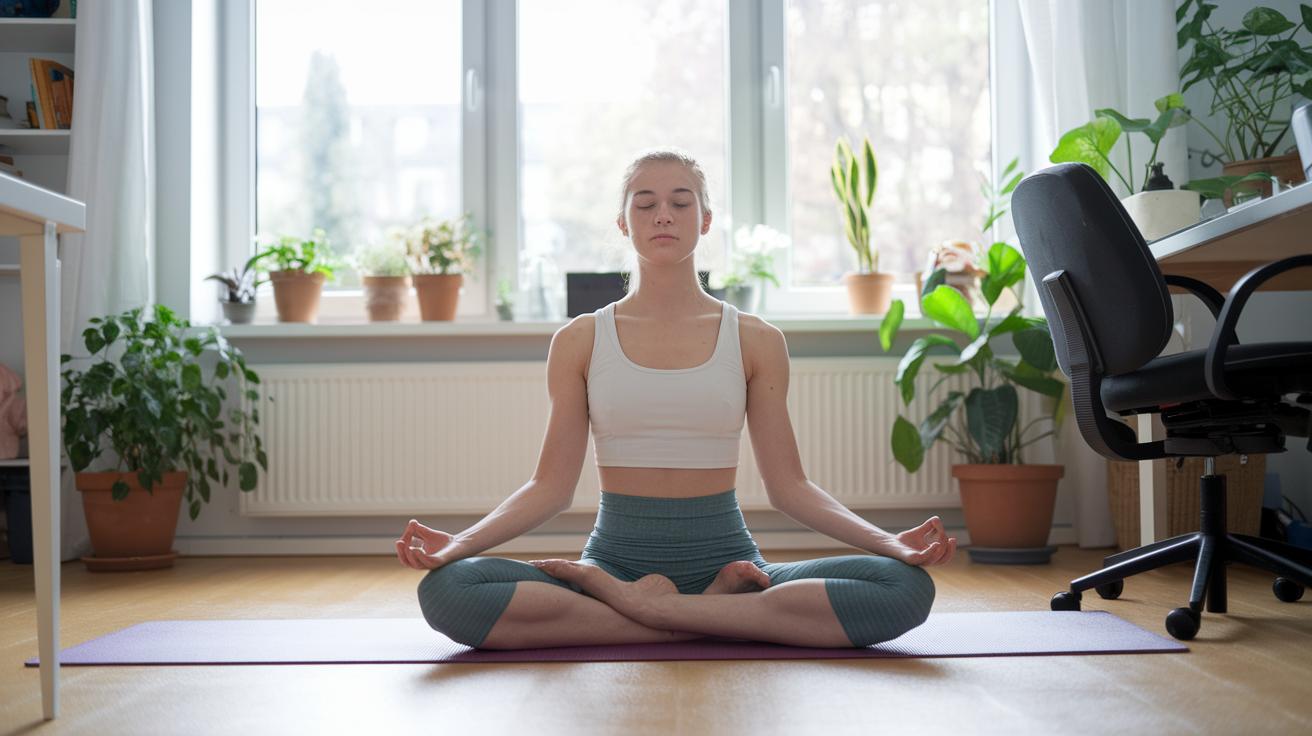
Exercise, a good night's sleep, and balanced meals are the basics of taking care of your body. Even simple activities like a quick walk or a few stretches can make you feel more energetic and happy. Try to stick to a regular sleep schedule, avoid screens before bedtime, and enjoy healthy foods. For example, starting your morning with a light jog or a bit of yoga can set a positive tone for both your workday and your personal time.
Mental Self-Care Techniques
Taking care of your mind means you take time to relax and recharge emotionally and mentally. Writing down your thoughts, spending time on creative hobbies, or doing stress relief exercises can help a lot. Guided meditation is another great way to loosen up, have you ever tried it? Reflecting on your day and expressing yourself can lead to noticeable improvements in your mood. You might even find that mindful meditation offers extra benefits that boost your overall wellbeing.
Mindful Office Practices
Even while working, taking short breaks can work wonders for your mental clarity. Stepping away from your computer for just a few minutes helps you reset and refocus. Keeping your workspace tidy can also bring a sense of calm, reducing digital tiredness. Consider setting aside times when you check no emails or have a digital detox to give your mind a break. And if you're looking for extra help, wellness apps can offer practical tips to manage stress and keep you focused during your workday.
Flexible Scheduling Options and Telecommuting Health Benefits
Modern tech and remote work have reshaped how we plan our days. Working from home lets you set your own hours, fitting work around your life. You can skip long drives, giving you extra time to sleep in, exercise, or simply relax. Many people find they sleep better and rush less in the mornings, which really lowers stress.
Flexible work options such as working remotely, flexible hours, or even a four-day workweek help you juggle your daily tasks easier. When you decide on a schedule that works for you, personal time gets as much value as work time. This means fewer evenings or weekends lost to work, letting you enjoy a more peaceful home life.
It’s also essential to take regular digital breaks. Try to mute work alerts and step away from your devices now and then. This little habit not only clears your head but also builds a healthy balance between screen time and personal time.
Building Psychological Resilience and Cognitive Endurance in Occupation

Work stress can actually be a good sign. It’s like that rush you feel when you know it’s time to kick your focus into high gear, much like a runner speeding up near the finish line. This kind of stress tells you that your energy is ready to help you stay on track.
You can boost your mental toughness by taking short breaks for self-check-ins. Instead of always using the same methods like guided meditation or scheduled pauses, try a quick moment of reflection. Say to yourself, "I can feel my concentration sharpening even when I’m a bit tense." This simple pause is a refreshing way to build cognitive endurance.
Remember, a little stress isn’t just a tough spot, it’s a clear sign that your mind is active and ready to tackle challenges. By seeing stress as a nudge in the right direction, you’re building up inner strength that will keep you focused and help you grow both in your daily tasks and long-term goals.
Organizational Policies to Support Work-Life Balance and Staff Overall Health
Flexible Work Policies
Offering choices like remote work, varied schedules, or even a four-day workweek can really lighten job pressure. It lets employees split their focus between work tasks and personal interests. Imagine being able to start early and finish by mid-afternoon, suddenly, there’s extra time for family or hobbies, making every day a bit less stressful.
Wellness Programs and Employee Assistance
Creating a supportive workplace means caring about mental health with real, hands-on programs. Many companies now offer stress resilience training, mindfulness workshops, and even access to professional counseling. These efforts give everyone a safe space to talk about everyday challenges and learn simple ways to look after themselves. It’s all about ensuring that every team member feels both heard and helped.
Leadership and Peer Support
Open, honest conversations are key when it comes to strong leadership and peer support. Leaders who encourage discussions about managing workloads and mental well-being set a friendly, welcoming tone. And when colleagues share their experiences and advice, it creates a community where everyone feels they’re not facing challenges alone. This blend of supportive management and peer connection builds a workplace where health and happiness go hand in hand.
Final Words
In the action, we uncovered how setting boundaries, unplugging from work, and practicing self-care can help manage stress and boost your mood. We covered recognizing burnout and using time management techniques to separate professional tasks from home life. You saw how flexible scheduling and mindful office practices promote work-life balance and mental wellness. Simple adjustments can lead to secure, effective communication and better health outcomes. Keep building on these habits, and enjoy the positive impact on both work and life.
FAQ
What are the notable work-life balance statistics related to mental health?
The work-life balance statistics show that long work hours can raise risks for heart problems, anxiety, and depression, while many Americans underuse their vacation time, highlighting the need for better rest.
How can a mental health and work-life balance presentation help with understanding?
A mental health and work-life balance presentation breaks down how sharing real-life data and visuals clarifies the link between healthy boundaries at work and reduced stress levels.
What are some examples of work-life balance practices?
Work-life balance examples include setting clear boundaries with work hours, unplugging from notifications after hours, taking regular breaks, and fully disengaging during vacations to recharge.
How does discussing the importance of work-life balance in essays enhance understanding?
Essays on work-life balance emphasize how balancing work with personal life can reduce stress and improve health, making it easier to see practical ways to create a healthier daily routine.
What do scholarly articles say about work-life balance?
Scholarly articles reveal research connecting long work hours with stress and health risks, while suggesting measured work schedules, planned breaks, and flexible policies to promote mental wellness.
What are the benefits of maintaining a healthy work-life balance?
The benefits of work-life balance include lower stress levels, improved mental well-being, higher productivity, and better overall health by harmonizing work duties with personal care.
How does work-life balance affect mental well-being and psychological health?
Work-life balance affects mental well-being by reducing stress and creating time for self-care, which supports a positive outlook and overall sound psychological health.
What is the 888 rule for work-life balance?
The 888 rule for work-life balance suggests splitting your day into 8 hours of sleep, 8 hours of work, and 8 hours for personal activities, helping maintain a steady and balanced routine.
Why is work-life balance important for your health and well-being?
Work-life balance is important because it protects against chronic stress, supports good mental and physical health, and encourages a lifestyle that values rest and personal time.

