
Have you ever thought that one in five Americans might face skin cancer? Early treatment does more than just help you survive, it can bring renewed hope for a healthier future.
There are many safe treatment options available. From simple surgeries for early melanoma to precise methods for treating basal and squamous cell cancers, every choice helps protect your skin.
In this article, we break down these options in plain language. Clear and effective care can spark hope and guide you to manage your skin health with confidence.
Overview of Skin Cancer Treatment Options
Skin cancer is very common these days. About 1 in 5 Americans will face it at some point, and in 2020, around 1.20 million cases were reported worldwide. Catching it early is super important because it helps doctors choose the best treatment based on the cancer’s stage and spread. For example, early-stage melanoma (stages 0–2) typically needs only surgery, while treatments for nonmelanoma cancers depend on the specific features of the lesion.
The right treatment also depends on the actual diagnosis. Simple skin issues, like sunspots that might turn into something more serious, can often be managed before they worsen. But for established skin cancers such as basal cell carcinoma (BCC) and squamous cell carcinoma (SCC), the go-to approach is surgery. This usually involves removing the tumor along with a small border of healthy skin to lower the chance of the cancer coming back while keeping as much normal skin intact as possible.
| Treatment Type | Approach |
|---|---|
| Early-Stage Melanoma | Surgery with thorough staging |
| Nonmelanoma Cases | Surgical removal and preventive topical care |
These tailored skin care plans give patients clear, targeted treatment options so they can feel confident in managing their skin health.
Surgical Excision Techniques in Skin Cancer Management
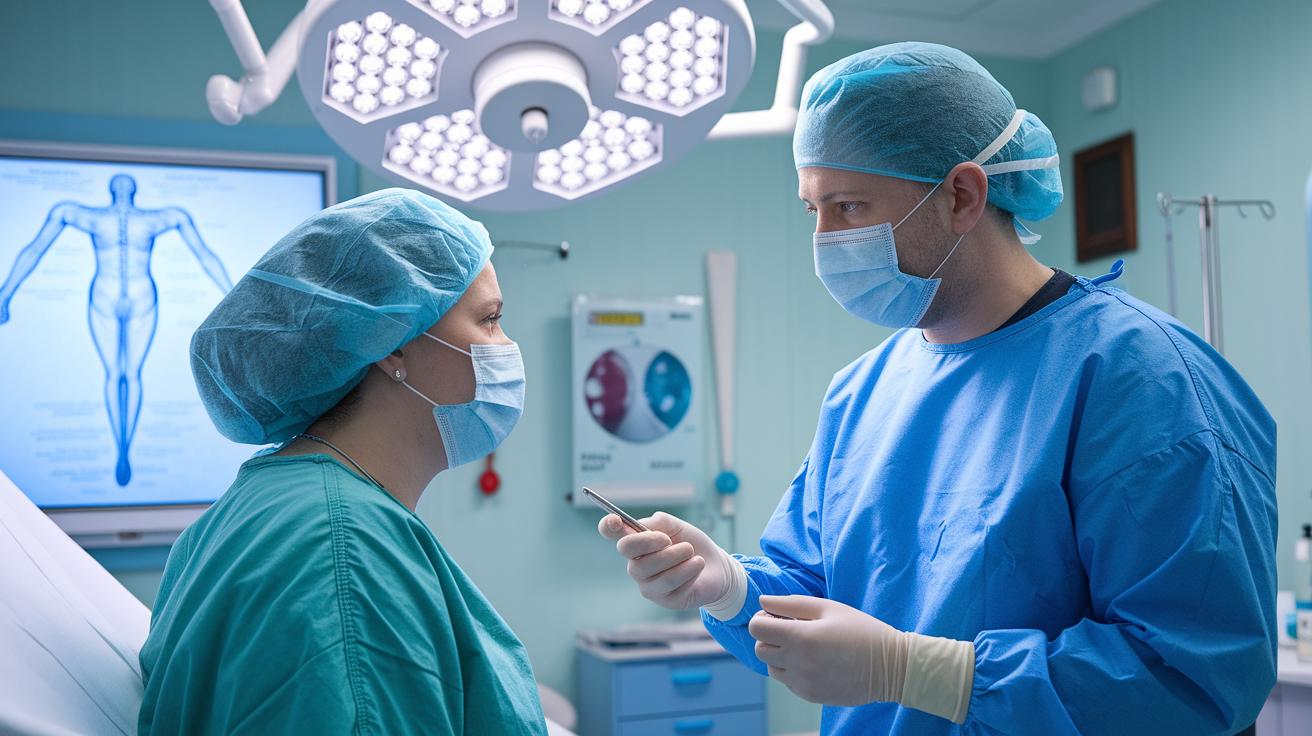
Surgery is often the first step in treating skin cancer. In these treatments, doctors remove the cancer along with a small border of normal skin to make sure no cancer cells are left behind. For early melanomas (stage 0–2) and low-risk skin cancers like basal cell carcinoma (BCC) or squamous cell carcinoma (SCC), this standard removal usually cures the cancer. Sometimes, a special method called Mohs micrographic surgery is used. It helps the surgeon take out only as much skin as needed while checking carefully that all the cancer is gone. Imagine a surgeon explaining, “We remove just enough tissue to be extra sure no cancer remains.” This clear explanation builds trust and helps patients understand the process.
Biopsy tests are also very important. They check if the entire spot has been removed and help decide if more treatment is needed. Most of the time, nonmelanoma cancers like BCC or SCC do not spread far. Still, doctors will often check nearby lymph nodes with biopsies and imaging tests. This careful check uses both squamous cell and basal cell techniques to see if the cancer has moved. Every part of the process, from the first cut to studying the tissue, aims to remove the cancer effectively while keeping the look of the skin as normal as possible.
Success in these procedures depends on careful planning and clear steps. Advanced methods let doctors customize treatment based on the type and location of the cancer. They might explain, “The clean margin we achieve here leaves little room for error!” This honest, clear approach helps both the patient and doctor feel confident. With precise diagnostic and removal methods, patients can feel safe knowing that every step was taken to protect their health.
Topical Chemotherapy and Noninvasive Skin Cancer Therapies
Non-surgical methods can really change the game when it comes to treating skin cancers that are just on the surface. Skin issues like superficial basal cell carcinoma, squamous cell carcinoma, and actinic keratoses often respond nicely to special creams. One common treatment is a topical fluorouracil cream that you apply directly to the spot. It works gently, almost like an eraser that slowly wipes away the harmful cells without throwing off your whole day.
Another option is cryosurgery, which uses a freezing technique to stop bad cells quickly, much like putting a hot dish in the fridge to cool it down fast. This method not only stops sunspots from developing into full-blown cancer, but it also allows for a speedy recovery with very little downtime.
Laser ablation is yet another treatment that removes troublesome spots with precision. The laser carefully targets and vaporizes the abnormal tissue without harming the healthy skin nearby. Many people like this approach because it can be combined with cosmetic treatments such as chemical peels or microneedling to enhance the skin’s appearance even further.
People are chosen for these treatments based on how deep, big, and where the lesion is located. The process typically involves the following steps:
| Step | Description |
|---|---|
| 1 | A biopsy is done to check the edges of the lesion. |
| 2 | The doctor determines if a cream, freezing treatment, or laser is the best match. |
| 3 | A treatment plan is made that balances fighting the cancer and keeping your skin looking its best. |
These less invasive treatments offer a friendly alternative to traditional surgery. They let you avoid the stress of going into an operating room while still taking care of your skin in a gentle way. With a focus on both healing benefits and a natural look, these treatments provide a promising approach for managing early skin cancer and keeping your recovery as comfortable as possible.
Radiation, Targeted Therapy, and Immunotherapy Protocols
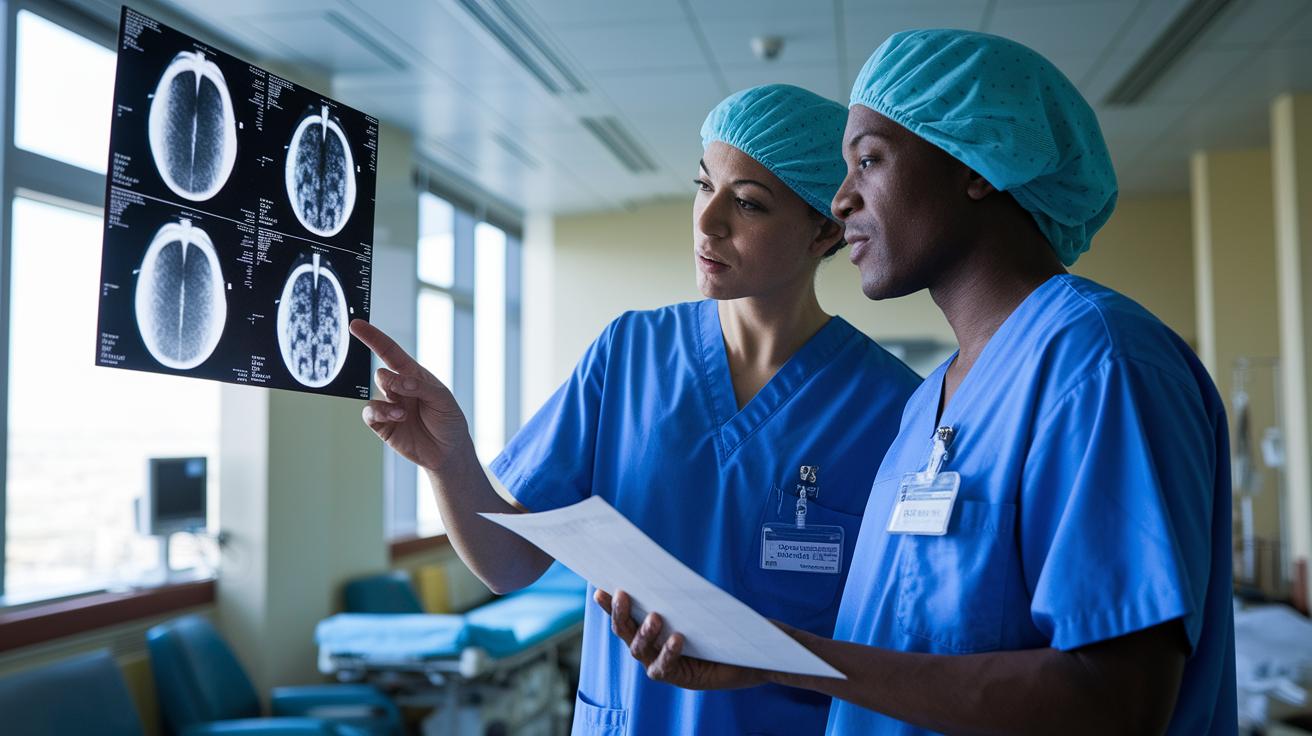
Radiation treatments are a smart choice for lesions that are tough to remove through surgery. Both external-beam radiation and targeted radiotherapy gently send energy to damaged cells. Imagine a doctor saying, "We aim these precise beams directly at the abnormal tissue." This method is especially useful when surgery might be too invasive.
Targeted drug therapies work by blocking specific molecules in melanoma cells. By interrupting these signals, the treatment slows down cancer growth and spread. A physician might say, "Our treatment blocks the signals that encourage the cancer to grow." Detailed imaging scans and simple biopsy techniques help doctors spot these changes so the therapy is applied just right.
Immunotherapy, like checkpoint inhibitors, boosts the body’s natural defenses. It can work throughout the body or through a small injection near the tumor. This treatment helps the immune system recognize and fight off harmful cells, offering new hope. Often, extra therapy after surgery adds another layer of protection, reducing the chance of the cancer coming back. And sometimes, chemotherapy is combined with these approaches to slow the disease further.
Imaging scans and biopsies guide doctors in planning effective radiotherapy and in understanding how far the disease has spread. These treatments mix clear scientific methods with a caring, personal touch that patients truly value.
Emerging and Multidisciplinary Approaches for Skin Cancer
When different health experts team up, skin cancer care takes an exciting turn. Multidisciplinary oncology teams bring fresh, innovative treatment options to the table. New clinical trials mean patients might soon benefit from emerging cell-based therapies that look very promising. Sometimes, treatments like immune checkpoint blockade, where treatments help your immune system fight cancer, can really change the game for melanoma patients. You might even hear a doctor say, "Our aim is to offer new treatments that boost your body’s own defenses."
Precision medicine is another big deal. By using genetic risk screening, doctors are able to design treatment plans that fit each person perfectly. These personalized plans help make melanoma therapies work better for individual patients and meet their unique needs.
At the same time, experts are looking into ideas from alternative medicine to ease symptoms, making sure your care feels whole and centered around you. Oncologists, dermatologists, and support specialists join forces to review every part of the disease. With research moving fast and breakthrough therapies arriving all the time, there are more promising treatments on the horizon. These advances not only bring renewed hope but also add a fascinating new layer to how we treat skin cancer.
Post-Treatment Care, Side-Effect Management, and Follow-Up

After your treatment, your care shifts to carefully watching over how you heal and recover. Your doctor will plan regular check-ups and tests, like imaging scans, to spot any early signs of cancer coming back. Picture your doctor saying, "We are with you every step of the way so you feel safe and confident as you heal." This steady follow-up gives you hope and reminds you that support continues even after surgery.
At this stage, it is important to track your recovery. Your care team will check how quickly your wound heals, how much pain you experience, and how well your skin, especially on your face, recovers. They might say, "We review your progress and adjust your care to keep you comfortable." This close attention not only measures your physical healing but also helps catch any unexpected reactions.
Managing side effects is a big part of your care after treatment. This means using ways to reduce scars and control skin reactions, while also offering support to ease any worries or stress. You might hear, "Every day, your progress makes you stronger and better prepared for a smooth recovery."
Here are a few steps you can expect:
- Regular appointments and imaging tests to catch any early signs of cancer.
- Extra therapies after the main treatment to lower the risk of the cancer returning.
- Advice on insurance and cost-effective care options.
- Simple tips for sun protection and guidelines for ongoing screenings.
All of these measures help you maintain a good quality of life while keeping side effects low and reducing the chance of cancer coming back. Continuous, personalized support shines through every stage of your journey, sparking hope for a healthier tomorrow.
Final Words
In the action, we explored a full view of skin cancer treatment options. We touched on early detection, varied approaches from surgery and topical treatments to radiation and advanced immunotherapy.
Each section explained practical steps and benefits, helping you see how choices align with patient care and data security.
This concise look reinforces that thoughtful, secure choices in skin cancer treatment options lead to better outcomes. The outlook remains upbeat as healthcare continues making progress with care and clear communication.
FAQ
What are the most effective skin cancer treatment options including the eight types of treatments?
The effective skin cancer treatments include surgical excision, topical therapies, cryosurgery, laser ablation, radiation, targeted drugs, immunotherapy, and emerging approaches. Their use depends on cancer type, stage, and patient needs.
What is the most common treatment for skin cancer?
The most common treatment for skin cancer is surgical removal, where the tumor and a margin of healthy tissue are taken out to ensure complete clearance and minimize recurrence.
How does a skin cancer treatment cream work?
A skin cancer treatment cream, often containing agents like fluorouracil, works by targeting abnormal superficial cells to slow growth and treat early lesions noninvasively.
What can early-stage skin cancer pictures show?
Early-stage skin cancer pictures typically show subtle changes such as small, irregular spots or patches on the skin that differ in color or texture, prompting further medical evaluation.
Is skin cancer deadly?
Skin cancer can be deadly if left untreated, particularly aggressive types. However, early detection and proper treatment significantly improve outcomes and survival.
What are the typical skin cancer symptoms?
Typical symptoms include new or changing moles, lesions that bleed or itch, and patches that look uneven in color or shape, signaling a need to see a healthcare provider.
What are the side effects of skin cancer treatment?
Side effects vary by treatment method. Surgery might lead to scarring, while topical treatments can cause redness or irritation. Radiation and systemic approaches may lead to fatigue or localized skin reactions.
How can skin cancer be prevented?
Prevention measures include limiting sun exposure, wearing protective clothing, applying broad-spectrum sunscreen, and conducting regular skin self-exams to catch early changes.
How urgent and extensive is surgery for squamous cell carcinoma?
Surgery for squamous cell carcinoma is often urgent, with the depth and extent of the cut determined by the tumor’s aggressiveness and spread. Surgeons remove the cancer with a margin of healthy tissue to ensure complete treatment.

