
Ever thought a simple diary of your symptoms might lead to better care? Recording your changes right away gives your doctor a clear picture of your health, making it easier to decide on the best treatment.
In this guide, we share friendly, proven tips for tracking how you feel. For example, you can use an easy rating scale for discomfort or note any triggers that might change your symptoms.
These simple ideas can make managing your health feel less stressful and more effective, helping you feel confident and on the path to feeling better.
Essential Best Practices for Patient Symptom Tracking
When you track your symptoms carefully, you help your doctor understand your health better. It’s best to write things down as soon as you notice a change so your doctor can see what’s happening when they ask, "So how are you feeling?" Recording details right away makes your conversations with your doctor more useful and leads to better care.
Keeping a steady record is really important, especially since many people live with one or more long-lasting conditions. Writing things down every day can show patterns over time, like for conditions such as Long COVID or ME/CFS. This clear record helps paint a complete picture of your health, which can guide important treatment decisions.
Here are some simple tips to follow:
- Write down your symptoms as soon as they happen. For example, note the exact moment you feel a sudden sharp pain.
- Use a simple scale to rate how bad your symptoms are, like from 1 to 10.
- Add extra details about what might have caused the symptom, such as what you were doing, your surroundings, or any triggers you noticed.
- Note when you take your medications and the amount you use. This helps your doctor understand the full context.
- Even on days when you feel fine, jot down a note. It can show a clear picture when things change later.
By following these easy steps, you create a trustworthy record of your symptoms. This helps your doctor see trends and adjust treatments when needed. Keeping track of your health in this clear and simple way makes it easier to make smart health decisions, giving you confidence in your care.
Selecting Your Symptom Tracking Method: Digital vs. Paper Journals
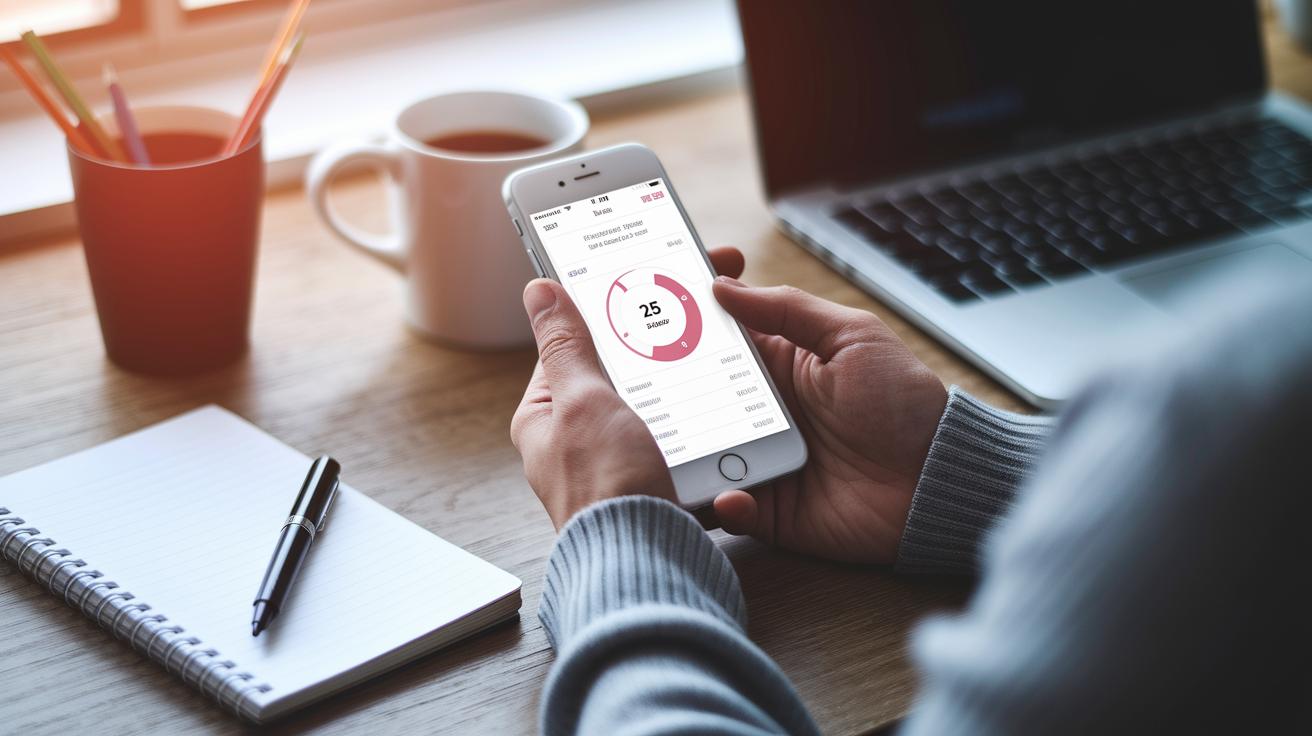
Digital trackers let you quickly and easily record your health details in a modern, personalized way. They use friendly apps that send you reminders, create clear trend charts, and offer the flexibility to update your log anytime. You might see a message like, "Record your symptom now – how intense is your headache on a scale from 1 to 10?" This helps you keep your records neat with very little effort.
Digital tools also make your data security a top priority by using encrypted storage and secure sharing options with your doctor. Picture a secure health journal that notifies you when it's time to log your symptoms, all while keeping your sensitive data safe and private.
Paper logs offer a simple, reliable option that needs no passwords or digital devices. They work perfectly when you don't have access to technology. Just keep a handy notebook to jot down your symptoms right away, ensuring your health records stay complete even on days when you're offline.
Key Data Points to Record in Your Symptom Journal
Keeping a detailed symptom journal helps you see the whole picture of your health. This list builds on our earlier guide by adding extra information like how long a symptom lasts and what you were doing when it began.
Mixing clear numbers with simple, descriptive notes makes it easier for you and your clinician to spot patterns. For example, don’t just write “headache” – note the start time, the duration, and what you were doing, whether you were sitting, walking, or resting.
- Date and time you first felt the symptom
- How severe the symptom was on a standard scale
- Duration (in minutes, hours, or days)
- Any triggers or events right before the symptom
- What you were doing or your position at the time
- Details about any medication taken – its name, dose, and when it was taken
- Free-form notes about your feelings, mood, or the environment
Including these details gives your clinician a fuller view of how your symptoms change, making it easier to adjust treatments to better meet your needs.
Establishing a Regular Symptom Logging Schedule

Regularly checking and writing down how you feel can really change the game. Pick set times, maybe early morning, noon, and evening, to make a habit of it. A quick phone reminder or a nudge from your health app, like “Time for your health check-in!” can be a warm little push to stay on track. This kind of structure helps you gather clear, steady details about your health, which is especially helpful if you're managing a long-term condition.
Linking your logging habit with daily routines makes it that much easier. Try noting down your symptoms right after you brush your teeth or finish a meal. It turns tracking your health into a natural slipstream of your day. Over time, you’ll build a personal record that truly reflects how you're doing, making it all that more useful when you need it.
Utilizing Symptom Tracking Templates and Checklists
Many patients love using downloadable templates because they offer a clear, easy way to track symptoms. You can find formats like PDFs, spreadsheets, and app templates that help you capture each important detail without missing a beat. These ready-made structures mean you spend less time setting up and more time focusing on what really matters about your health. Why not start with the format that feels best to you, whether you favor printing a copy or making digital notes on your phone?
A daily snapshot sheet is a handy tool to catch your health details as they happen. Such a template usually has spaces for the date, details about your symptoms, a rating of how severe they are, and any steps you took to ease them. For instance, you might note the start of a headache, rate its intensity from 1 to 10, and jot down any medication you took. And if you want, you can add extra sections for more personal notes or specific triggers, you know, to make sure your log really reflects your unique experience.
Weekly trend review checklists help you step back and see the bigger picture over time. They prompt you to review your daily notes and look for patterns, like recurring symptoms or changes in how you feel. You might note things like mood ups and downs, changes in symptom intensity, or repeated triggers throughout the week. Using these checklists can be a great way to guide a conversation with your healthcare provider, helping you fine-tune your plan for managing your condition.
Sharing and Analyzing Symptom Records with Healthcare Providers

Before you head into an appointment, it's really helpful to export or print your symptom logs. Using secure patient portals or trusted apps means your health records are sent safely to your provider. Imagine opening your favorite health app, tapping "Export Log," and getting a clear snapshot of your recent symptoms.
Putting together a personal health record by merging your logs can really make a difference. When you collect all your information into one easy document, your healthcare provider can see patterns over time. This becomes especially useful if you switch doctors or need quick care during an emergency. You might notice, for example, that certain activities often trigger your symptoms, a detail that can be missed without a full history.
Having these detailed records during appointments lets you and your doctor work together more effectively. You can review the logs side by side to track progress and spot any unexpected changes. Discussing your symptom entries makes treatment decisions clearer and helps both of you feel confident about managing your care.
Final Words
In the action, we explored how tracking symptoms accurately, choosing the right recording method, and logging key details can boost patient communication with clinicians. You learned that regular entries and smart templates support clearer discussions at appointments.
Following a patient guide to symptom tracking best practices builds trust and strengthens care. These simple steps help keep health records secure and easy to share. Each practice brings us closer to better care and improved health outcomes.
FAQ
What does a medication symptom tracker PDF provide?
A medication symptom tracker PDF gives you a printable page to record medicine timing and related symptoms. It helps keep detailed, organized data for clear discussions with your healthcare provider.
How can patients track symptoms effectively?
Tracking symptoms effectively means logging changes, severity, and context right when they occur. This steady practice improves communication with clinicians and empowers you to manage your health.
What common formats and tools exist for symptom tracking?
Symptom tracking tools range from paper diaries and Excel templates to mobile apps like Medical Tracker and Bearable. Reviews show each format offers clear, organized ways to record and share your health data.

