
Ever wonder if checking your symptoms online from home is as good as an in-person exam? Imagine getting a quick health check without leaving your cozy space. Online assessments are simple and cost-effective, while visits to your doctor offer a personal touch with tests done on the spot. Each option has its own benefits to help you understand your well-being. In this post, we look at both ways to see which one suits your health needs best.
Comprehensive Comparison: Online vs In-Person Symptom Assessment
Online and in-person evaluations both use questionnaires, interviews, rating scales, and even simple tests to help spot health issues. They also include watching real-life details to give doctors a clear picture. When you have a virtual visit, you can chat with your provider using video, phone, or secure messages. Imagine having a visit on a rainy day and staying warm and dry while still getting expert care.
When you go to a clinic, your care team can do a real checkup. They can measure your vital signs, run immediate tests, and see how you behave in person. This hands-on method often helps find issues that need a physical exam.
Each way has special benefits. Online checks are often more affordable because they have lower fees and you don’t spend money on travel. In-person visits might need extra appointments with specialized staff, which can cost more. Also, online care is very convenient since you can pick a time that fits your schedule, even when life gets busy. But for urgent problems or when a physical exam is essential, seeing your provider in person is the best option. Choosing the right option depends on what you need, how serious your symptoms are, and how easily you can access care.
| Factor | Online Assessment | In-Person Assessment |
|---|---|---|
| Reliability | Based on what you report | Direct observations and measurements |
| Accuracy | Uses set tests and questionnaires | Relies on physical exams and on-the-spot tests |
| Convenience | No travel needed with flexible scheduling | Requires travel and scheduled appointments |
| Cost | Cheaper fees with no travel costs | May cost more with extra sessions |
| Suitability | Works well for follow-ups and long-term conditions | Best for urgent issues and hands-on exams |
Accuracy and Reliability in Symptom Assessment

When you visit a doctor in person, they use hands-on tests with tools like a stethoscope or specific performance tests to check your health. Imagine your doctor saying, "Feel reassured as your results lead to quick lab tests." This direct approach gives clear numbers and helps pinpoint issues like breathing troubles, skin rashes, or sudden mental health concerns.
Online visits work a bit differently but are still very trustworthy. In these sessions, friendly Nurse Practitioners use clear decision tools that rely on the details you share about your symptoms. Picture a patient saying, "I really feel heard during my online visit, even without a physical exam." This method helps doctors understand chronic problems and mental health issues well, even when they can’t see you in person.
Telehealth platforms nicely combine both approaches. They mix easy-to-follow online steps with proven, evidence-based checks. This way, every method adds a layer of useful insight without repeating the same basic steps.
Cost, Time, and Scheduling: Online vs In-Person Evaluations
Online evaluations can save you money by cutting down on consultation fees and travel costs. They offer flexible appointment times, including evenings and weekends, so you can book a time that fits your busy day. Imagine setting up an appointment on your phone and getting friendly reminders along the way. This easy process means you spend less time waiting and more time doing what you love. Many patients enjoy the convenience, thinking, "I booked my appointment in just a few taps while relaxing at home." This smooth experience is thanks to systems built for cost savings and easy scheduling, much like telemedicine and medical informatics integration.
In-person visits follow regular clinic hours, usually Monday to Friday from 9 am to 8 pm and on Saturdays and Sundays from 9 am to 1 pm. These appointments might need extra planning because you could have to schedule lab tests or follow-ups. The whole process might take longer due to the limited availability of providers and more paperwork.
While online assessments are quick and cost-effective with fewer hassles, in-person evaluations become important when you need hands-on care. It really comes down to what you need at that moment and what works best with your schedule.
Patient Scenarios: Choosing the Right Assessment Modality
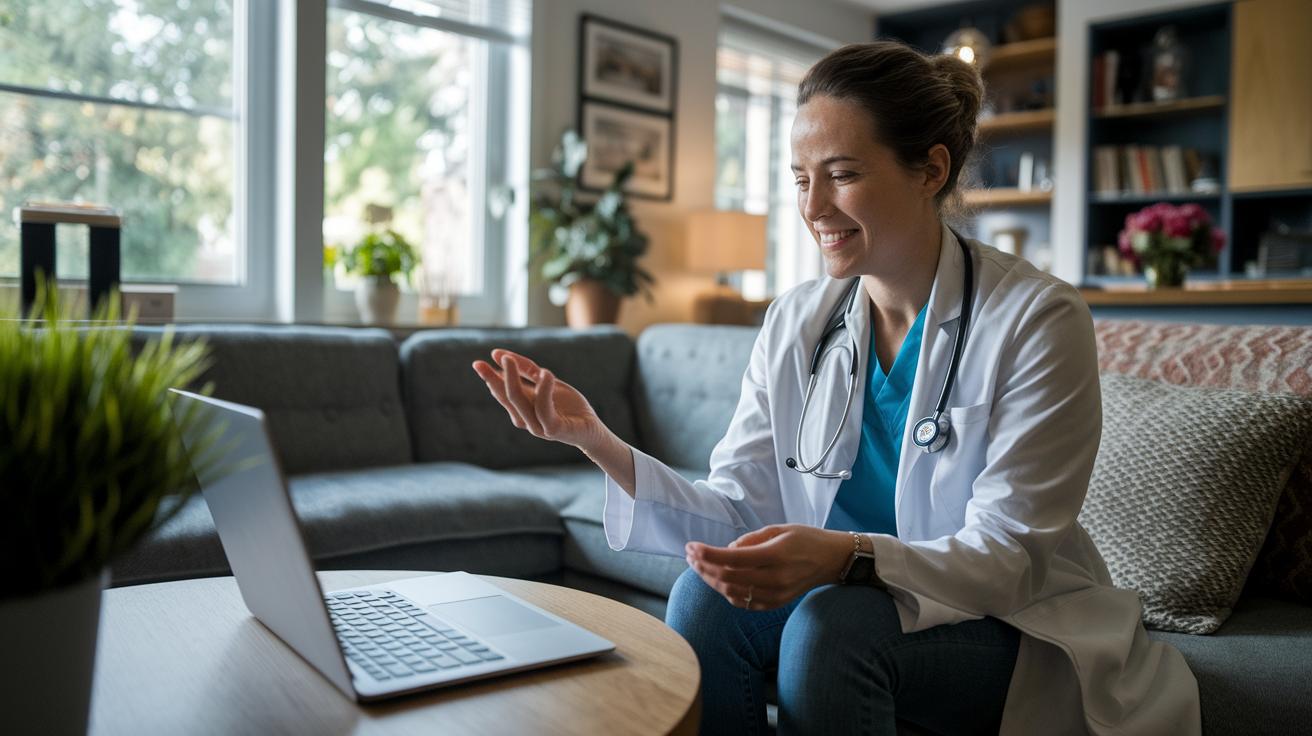
Not every health need is the same, so sometimes a virtual visit is right, and other times an in-person check-up is best. If you're managing a long-term condition, remote appointments can be very helpful. They work well for routine follow-ups, non-urgent mental health support, and switching or adjusting medications. Imagine someone saying, "I can update my doctor about my condition right from home with a video call." That really shows how convenient remote care can be for everyday needs.
Virtual check-ups can also be a good choice for minor issues like a mild cough or slight breathing trouble. In these cases, patients can explain what they’re feeling in detail without needing a physical exam. One patient might mention, "I felt reassured during my online visit, even though my symptoms were light." This kind of honest feedback shows that every detail is heard clearly, all while keeping the process simple and safe.
On the flip side, sometimes you need an in-person visit when physical checks are important. For example, initial developmental screenings or well-child exams let doctors see how a child is doing by observing their actions up close. And in moments like emergencies, wound care, or serious conditions that require tests, meeting face to face is the best way to get a thorough check. Think of a parent saying, "My child's growth was carefully checked during our visit at the doctor’s office, something that just can’t happen online."
Different groups of people have different needs too. Young children, seniors who have trouble moving around, or individuals with sensory challenges might notice more with one method than the other. In-person visits can pick up small signs that a virtual visit might miss, while online appointments can save a lot of time and effort when traveling is hard.
Privacy, Data Security, and Technology Requirements
Telehealth platforms use encrypted video calls and secure messaging to keep your information safe. Imagine a message saying, "I feel secure knowing my login is protected, like a digital safe for my health details." These platforms add extra steps when you log in to ensure only you can access your data.
When labs are needed during an online visit, an in-person pickup is arranged following strict steps. Your samples are handled carefully and moved using secure methods so that their privacy is maintained. In-person visits also take great care, using paper or electronic records managed under HIPAA rules (those are healthcare privacy guidelines) to protect your details.
Both methods stick to clear privacy policies. Here are some important points to keep in mind:
- They keep a careful record of your permission.
- Data is shared over protected channels, whether through an app or a clinic.
- Your health information is managed very carefully following safety and privacy rules.
Telehealth services and regular care are always working to boost their safeguards, ensuring that your information stays secure at every step of your healthcare journey. Isn't it comforting to know your data is well protected?
Future Innovations: AI and Advanced Tools in Symptom Assessment

Hybrid care is changing how we work. Nowadays, healthcare providers mix virtual tools with in-person visits. AI-powered symptom checkers and smart machine learning tools help sort cases fast. They guide teams on when extra tests or immediate care are needed, providing quick and clear advice for making decisions.
New e-consult platforms are also on the rise. They use automated condition simulations and advanced imaging to catch even the slightest health changes during telehealth visits. Meanwhile, wearable devices continuously share real-time updates on vital signs, making remote monitoring smarter and more responsive. It’s a bit like getting a gentle nudge that confirms your health is being watched over with care.
Trials are underway to make these tools even better. With ongoing improvements, remote screening is becoming more personalized and accurate. This means patients will soon enjoy care that feels tailored to them, whether they’re speaking with a doctor online or in person.
Final Words
In the action, we compared digital check-ins and face-to-face exams, highlighting their unique benefits for patient care. We looked at how reliability, cost, timing, and privacy shape each method, giving a clear picture of their strengths. Our discussion shows that both options are valuable, depending on personal needs and circumstances. Embracing the right mix enhances healthcare outcomes and streamlines daily routines. This balanced view of symptom assessment online vs in-person leaves us feeling optimistic about the future of secure healthcare.
FAQ
Q: What is a symptom checker?
A: A symptom checker is a tool that uses your reported signs to suggest possible conditions. It helps guide you toward understanding your symptoms but should not replace a professional diagnosis.
Q: How do online ADHD tests work?
A: Online ADHD tests use surveys and self-reported information to highlight potential attention issues. They give you a preliminary idea but need follow-up evaluation by a health professional.
Q: Are online ADHD assessments accurate?
A: Online ADHD assessments rely on standardized questionnaires. They provide useful screening insights yet might miss subtle cues a face-to-face evaluation could catch through direct observation and physical exams.
Q: Can an ADHD assessment be done online?
A: An ADHD assessment can be conducted online using video calls, rating scales, and surveys. This format offers convenience and initial screening but may require further in-person review for a full evaluation.
Q: Why might some claim WebMD is not credible?
A: Claims about WebMD’s credibility often focus on outdated information or generalized advice. While it offers helpful symptom checkers and health details, it should be supplemented with personalized medical consultations.
Q: How accurate are symptom checkers?
A: Symptom checkers offer guided suggestions based on your input but depend on self-reported data. They work best as initial screening tools rather than definitive diagnostic instruments.
Q: What does assessing clinical signs and symptoms involve?
A: Assessing clinical signs and symptoms involves reviewing what you experience, physical findings, and sometimes lab tests to form a clear picture of your health and guide diagnosis.
| Factor | Online Assessment | In-Person Assessment |
|---|---|---|
| Reliability | Relies on structured questionnaires and self-reports. | Allows direct observation and hands-on evaluation. |
| Accuracy | Good for general screening; limited by lack of physical exam. | High due to physical exams and immediate testing. |
| Convenience | Offers no travel and flexible scheduling. | Requires travel and adherence to clinic hours. |
| Cost | Tends to be lower with reduced fees and no travel costs. | Generally higher due to facility and staff involvement. |
| Suitability | Ideal for routine follow-ups and minor issues. | Better for complex cases needing detailed physical exams. |

