
Have you ever thought that a basic pain tracker could help ease your migraine days? Imagine jotting down your pain level each time and slowly piecing together clues about what might trigger your headache.
By tracking small details like your sleep, meals, and water intake, everyday habits become hints that guide you toward relief. In this article, we explain how a symptom tracker can give you more control over your migraine pain while helping you feel secure and reassured.
Symptom Tracker for Migraine Relief Inspires Calm
Start by rating your pain on a scale from 0 (no pain) to 10 (worst pain) for every migraine you experience. For instance, if you feel moderate pain, you might note it as a 6. This easy method helps you notice trends and feel more confident about managing your headache records.
Keep a simple log of how often your headaches happen, how long they last, and how bad the pain is. Imagine writing down that you had two headaches in one week, one lasting about three hours and rating a 7 on your pain scale. These details can really help you understand what might be triggering your migraines.
Also, track other details like what you eat, how much water you drink, how well you sleep, and any medicines you take. For example, you might notice that skipping breakfast and not getting enough sleep makes your pain feel worse. A note like "had a light dinner; slept 5 hours; pain rated 8" can be very helpful for piecing together your migraine puzzle.
Today, digital symptom trackers make it easier to replace old-fashioned paper logs. They pull all your information into one clear format, making it simple to spot patterns and share details with your healthcare provider. Keeping a steady record not only guides your treatment plan but also gives you a sense of calm knowing that every bit of information is there to help manage your migraine relief.
Core Features in a Symptom Tracker for Migraine Relief
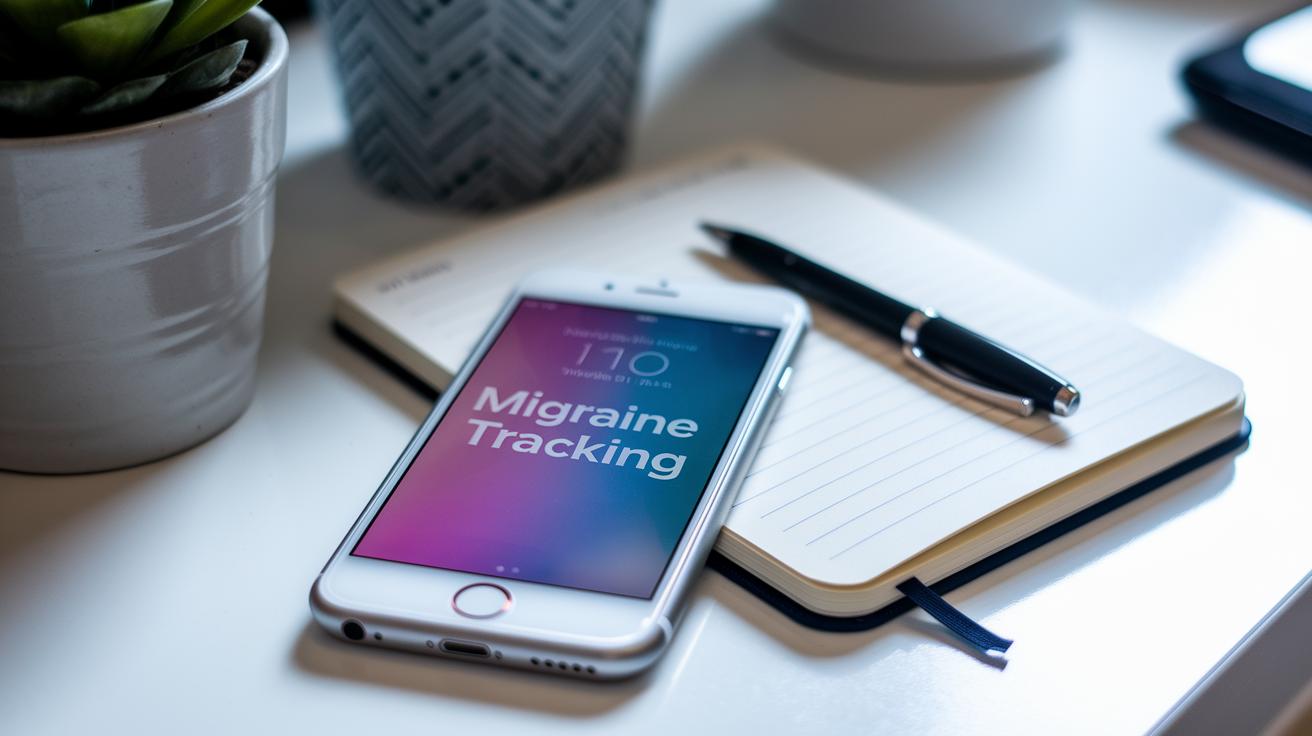
Modern apps for tracking migraines make it easy for you to record your health details in one safe and friendly spot. They let you choose what information to include, such as your symptoms, a pain score from 0 to 10, and even mark the time automatically. This setup helps you quickly note when the pain hits, how bad it feels, and what might have triggered it, like a change in food, weather, or stress levels.
You could write something like, "At 7 AM, my pain was 5/10 with a bit of nausea and a little light sensitivity." This clear note helps you spot patterns over time, making it easier to understand your migraine triggers.
These trackers go a step further by showing your data in easy-to-read charts and graphs. They often remind you to log your feelings with friendly alerts, even on your busiest days. And if bright screens make your migraine worse, a dark mode display can really help.
Sharing your progress is simple too. With built-in options to export and share data, you can easily show your doctor what’s been happening. Every feature works together so you feel more in control and calm about managing your migraine.
Comparing Top Symptom Tracker Apps for Migraine Relief
Choosing the right app can really simplify your plan for migraine relief. When you pick one that fits your needs, you can easily record each migraine attack. This helps you spot trends over time and makes it simple to share your progress with your doctor. Plus, a good app logs your symptoms clearly so you don’t have to spend extra time on messy manual notes.
Each app has its own special features that might suit you better based on how often you have migraines and what you like. Maybe you need customizable fields or a timer just for headaches, or perhaps you prefer clear, simple charts to see your data. A detailed diary not only keeps a secure log for discussions at your doctor’s office but also helps you fine-tune your treatment plan over time.
| App | Platforms | Price | Key Features |
|---|---|---|---|
| Migraine Buddy | Android, iPhone | Free | Records lots of detailed migraine info; great for frequent attacks |
| Headache Log | Android Only | Free | Includes a headache timer; doesn’t allow data export for sharing |
| Manage My Pain Pro | Android, iPhone | $3.99 | Tracks different kinds of pain; offers a free trial |
| N1 Headache | iPhone Only | Free ($50 premium optional) | Built for migraine sufferers; has a dark mode for sensitivity to light |
Step-by-Step Symptom Tracking Method for Migraine Relief

Begin by choosing your favorite way to log your migraine symptoms, whether it’s a secure app or a trusty paper diary. Pick a method that lets you add extra details like the type of migraine you’re having. For example, if you observe an aura, you might note that lighter colors in your diary signal these moments, making patterns easier to see.
Next, spend a week jotting down your usual routine. Don’t just focus on the headaches, make sure to record any shifts in your migraine style. This can help you notice differences, like migraines that come with an aura versus those that don’t.
When a migraine hits, quickly rate the pain on a scale from 0 (no pain) to 10 (worst pain). Add details like the time it starts and stops, where the pain is located, and any unique features, such as a visual disturbance. A quick note like "migraine with visual disturbance" can be really helpful.
Also, include everyday details that might affect your migraines. Write down things like your meals, sleep, stress levels, and even the weather. A line like "felt extra sensitive on a bright sunny day" might offer clues about what triggers your migraine.
After you’ve collected data for a few weeks, take some time to review your notes using simple tools like colored markers or basic charts. These visual cues can help highlight differences in your migraine patterns, which might point to ways to adjust your treatment.
| Step | Action |
|---|---|
| 1 | Choose a logging method (secure app or paper diary) that allows extra details about migraine types. |
| 2 | Establish a baseline by tracking your routine for one week, noting any changes in how your migraines feel. |
| 3 | When a migraine occurs, rate its pain (0–10) and record start/end times, pain location, and unique features. |
| 4 | Log other relevant details such as meals, sleep, stress, weather, and any unusual triggers. |
| 5 | Review your data periodically with simple charts or color codes to spot any patterns. |
| 6 | Share your detailed records with your healthcare provider to help fine-tune your treatment over time. |
By tracking your symptoms this way, you build a clearer picture of your migraine patterns. Isn’t it reassuring to have this kind of insight when managing your health?
Using a Symptom Tracker for Migraine Relief to Identify Triggers
Food and Drink Triggers
Keep a simple log of everything you eat and drink, even the meals you skip. For example, if you miss breakfast or have a big cup of coffee, note what time it happens and if a headache follows soon after. It can also help to add how much water you drink with your meals. This easy record can show hidden patterns in your migraine triggers.
Sleep and Lifestyle Triggers
Write down details about your sleep each night. Let us know how long you slept, how good it was, or if you had a tough day at work. You might notice that a night with only four hours of sleep or an extra stressful day can lead to a migraine. Also, record if you have caffeine or alcohol and mention any other changes in your routine. Clearly written notes like these can help you see how daily ups and downs might be linked to migraines.
Medication and Hormonal Triggers
Jot down any changes in your medication or note important shifts such as those related to your menstrual cycle. If you adjust your dose or feel a hormonal change on a day when you also experience a headache, write it down. Over time, this careful tracking can help show whether these factors cause your migraines to worsen.
By splitting your notes into food and drink, sleep and lifestyle, and medication and hormonal triggers, you can easily compare your records. This clear overview makes it simpler to spot patterns and helps your healthcare provider understand which triggers might be at work.
Analyzing Migraine Patterns with a Symptom Tracker for Relief

Today's trackers do more than display simple charts. They use smart tools to sift through your migraine data. For example, after a week of logging, the app might note that nights with less than five hours of sleep match up with tougher headache days.
Some trackers even show unique details. One, for instance, compared migraine pain before and after someone changed their dinner time. A clear graph revealed that this small change brought lower pain levels. It’s nice when data offers real clues so you can take action.
Other trackers have charts that pinpoint triggers like stress or diet changes. One chart might show that moments of high stress line up with more headaches, giving you a clear signal to discuss this with your healthcare provider.
Expert Advice on Using a Symptom Tracker for Migraine Relief
When your migraine pain starts feeling overwhelming, talk to your doctor. If your logs show that your pain is steadily increasing, sharing these details can help your doctor adjust your treatment plan.
It helps to set regular reminders to jot down your symptoms. A simple alert on your tracker keeps you on track so you never miss recording a headache. This routine builds a reliable record of your migraine patterns.
As you learn more about what triggers your migraines, feel free to tweak the details you record. Maybe you want to add exact pain scores or note extra factors like the weather. Let your log grow as you discover more about your condition.
Sharing your organized reports with a neurologist or headache specialist can spark a clear conversation about better treatment options. These easy-to-understand snapshots make your consultation more effective.
If your current symptom tracker isn’t giving you everything you need, consider switching apps. The right tool will adapt as your needs change, keeping your tracking process both useful and calming.
Integrating Symptom Tracker Data into Your Migraine Relief Plan

Export your symptom records and trigger charts to share with your doctor. This step helps you give clear, organized details every time you discuss your condition. For instance, you could create a list that shows a connection between less sleep and more pain, like noting, "Slept 5 hours, pain rated 8." This simple report lets your provider see your full migraine pattern and daily struggles.
Match changes in your daily pain ratings with any treatment tweaks, such as a new medicine or lifestyle change. By comparing your tracker numbers with when you made these changes, you can see if your pain is getting better. A note such as "After a new evening routine, pain score dropped by 2 points" shows what is really working. Keeping track of these details gives you the power to fine-tune your approach.
Use your tracker insights to create a plan that fits your needs. Check long-term data to set goals like cutting down on monthly attacks or lowering the average pain level. Adjust your diet, sleep habits, and stress management based on what you notice. Reviewing your data now and then helps you update both your way of tracking and your overall migraine relief plan so that your everyday actions fit your long-term health goals.
Final Words
In the action, we reviewed the basics of recording migraine details using pain ratings, frequency, duration, and trigger tracking. We compared top apps and explained the six-step method to log and analyze symptoms effectively. We also discussed identifying triggers, leveraging pattern analysis, and using shared data for informed decisions with healthcare professionals.
By putting these practices into your daily routine, you build a stronger plan for preventing headaches. Keep tracking and refining your strategies with your trusted symptom tracker for migraine relief.
FAQ
Where can I download a free printable migraine diary and headache template?
The free printable migraine diary and headache template are available online as PDF or Excel downloads. They help you track headache frequency, triggers, and pain levels to improve your migraine management.
What is the best migraine symptom tracker app?
The best migraine symptom tracker app offers customizable fields, numeric pain scales, reminder alerts, and simple data export. It lets you log daily headache details for better tracking and improved communication with your healthcare provider.
What are the 4 C’s for migraines?
The four C’s for migraines focus on key areas like cycle, consistency, conditions, and care. They help you recognize patterns in your migraine episodes and guide you in adjusting your management strategies.
What are the 5 C’s for migraines?
The five C’s for migraines include cycle, consistency, conditions, care, and changes. Tracking these elements can give clear insights into your triggers and support better treatment planning with your doctor.
What is the finger trick for migraines?
The finger trick for migraines means applying gentle pressure to specific finger points in hopes of easing headache symptoms. This simple technique can work as a complementary method for some people.

