
Have you ever noticed your hair thinning overnight? Many people see their hair start to thin as they grow older, but you have options. You can try over-the-counter products that help boost hair growth, or you might consider surgical methods that reposition your hair follicles. Think of it like giving your hair a fresh start, similar to watering a garden at sunrise. Stay with us as we share easy expert tips to help you choose the best plan for fuller, healthier hair.
Comprehensive Overview of Treatment Options for Hair Loss

Hair loss is something many people deal with. In fact, nearly 80% of men and about 50% of women notice some thinning by the age of 80. It’s perfectly normal to lose 50 to 100 hairs every day from a scalp that usually holds around 100,000 hairs. That said, if you’re looking for ways to help, there are several options available.
Some treatments include drugs approved by the FDA. For example, minoxidil is an over-the-counter solution that can boost hair density by about 20-30% after 3 to 6 months. Finasteride, which requires a prescription, works in a similar way. However, minoxidil might cause some scalp irritation and finasteride can have side effects like affecting sexual function. Think of minoxidil as giving your hair a gentle push toward regrowth, much like adding the right amount of water to help a delicate plant flourish.
Then there are surgical methods like FUT, FUE, or DHI. These procedures move healthy follicles to balding areas, usually resulting in permanent improvement. They do come with the usual surgical risks and there might be some scarring. Full results from these surgeries often take back between 6 and 12 months.
In addition, you might consider in-clinic treatments such as PRP injections or low-level light therapy. These methods generally offer a density boost of 10-25% in about 3 to 6 months and are known for causing very little discomfort.
Lastly, natural at-home remedies can offer extra support. Supplements and essential oils fall into this category. They are low risk, but if you choose this route, keep in mind that you might need to wait 6 months or more to see noticeable changes.
Medical and Surgical Solutions for Hair Loss
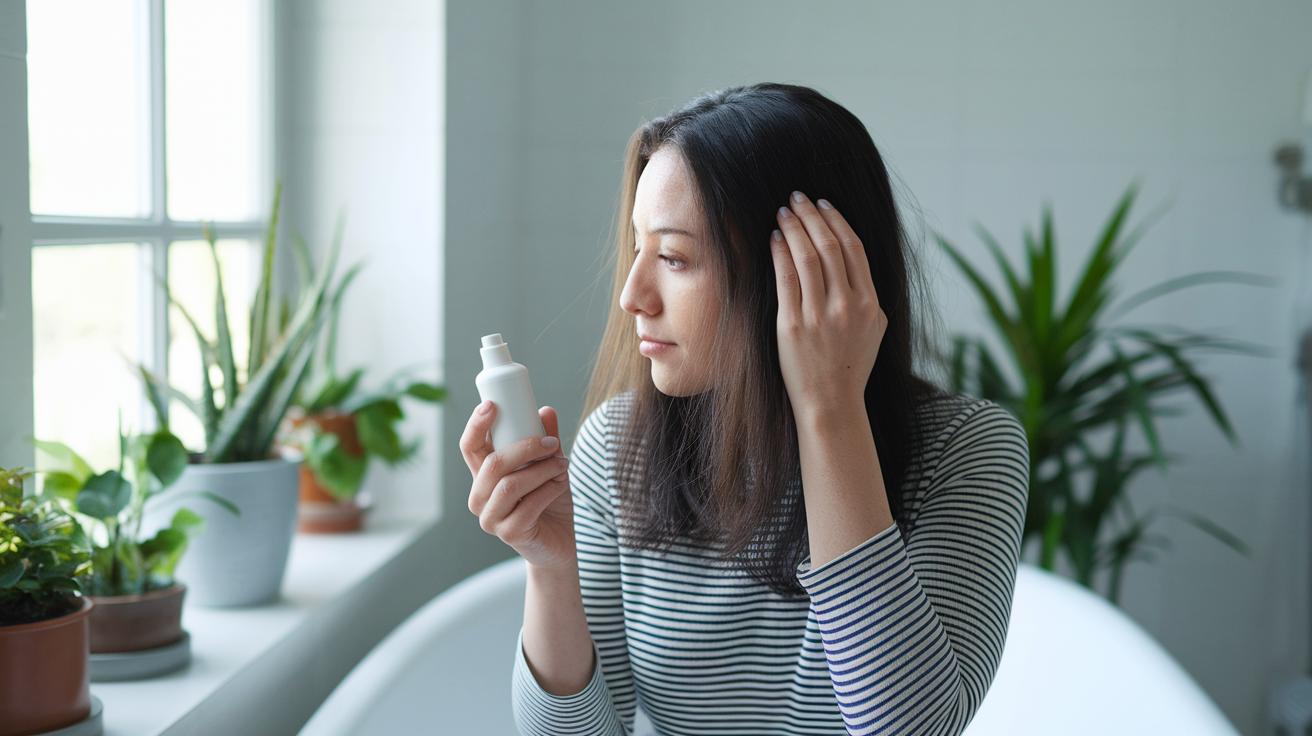
Minoxidil is the only FDA-approved over-the-counter liquid you can use for both men and women. It works by keeping hair in its growth phase longer, which can lead to noticeable results in 3 to 6 months. Sometimes it can cause a little scalp irritation. Finasteride, which is sold as Propecia, takes a different approach. It lowers the level of DHT, a hormone linked to hair loss. Many people see about a 30% increase in their hair count within 6 to 12 months, though some might experience sexual side effects. Imagine starting finasteride and watching more hairs appear where you thought thinning was permanent, it’s a gradual and reassuring change.
Hair transplant surgery is another well-known option. Techniques like FUT, FUE, and DHI involve moving healthy hair follicles to areas where hair is thinning. These procedures succeed about 90% of the time, and most patients enjoy full results within 6 to 12 months. The cost typically falls between $4,000 and $15,000. For a non-surgical approach, many turn to treatments like Platelet-Rich Plasma (PRP) injections. With PRP, you usually need 3 to 6 sessions to see an increase in hair thickness by about 10 to 25%. Low-Level Light Therapy (LLLT) uses FDA-cleared devices that emit gentle light in sessions of 20 minutes each, three times a week for roughly 16 weeks. Microneedling, often used with topical minoxidil, uses tiny needles (0.5 to 1.5 mm) to boost collagen and help your hair grow stronger.
These methods form a complete plan for handling hair loss. Many patients mix treatments based on what fits their needs and lifestyle. For example, someone might begin with minoxidil and later add microneedling for extra support. Options like PRP or LLLT are appealing for those who prefer non-surgical solutions with minimal discomfort yet visible improvements. There’s also scalp micropigmentation, a cosmetic choice where pigment is used to give the look of fuller hair. This treatment usually costs between $400 and $1,500 per session and shows immediate results. Each option comes with its own time frame, cost, and possible side effects. That’s why it’s important to talk with a healthcare professional to find the best plan for you.
Natural and At-Home Remedies for Hair Loss
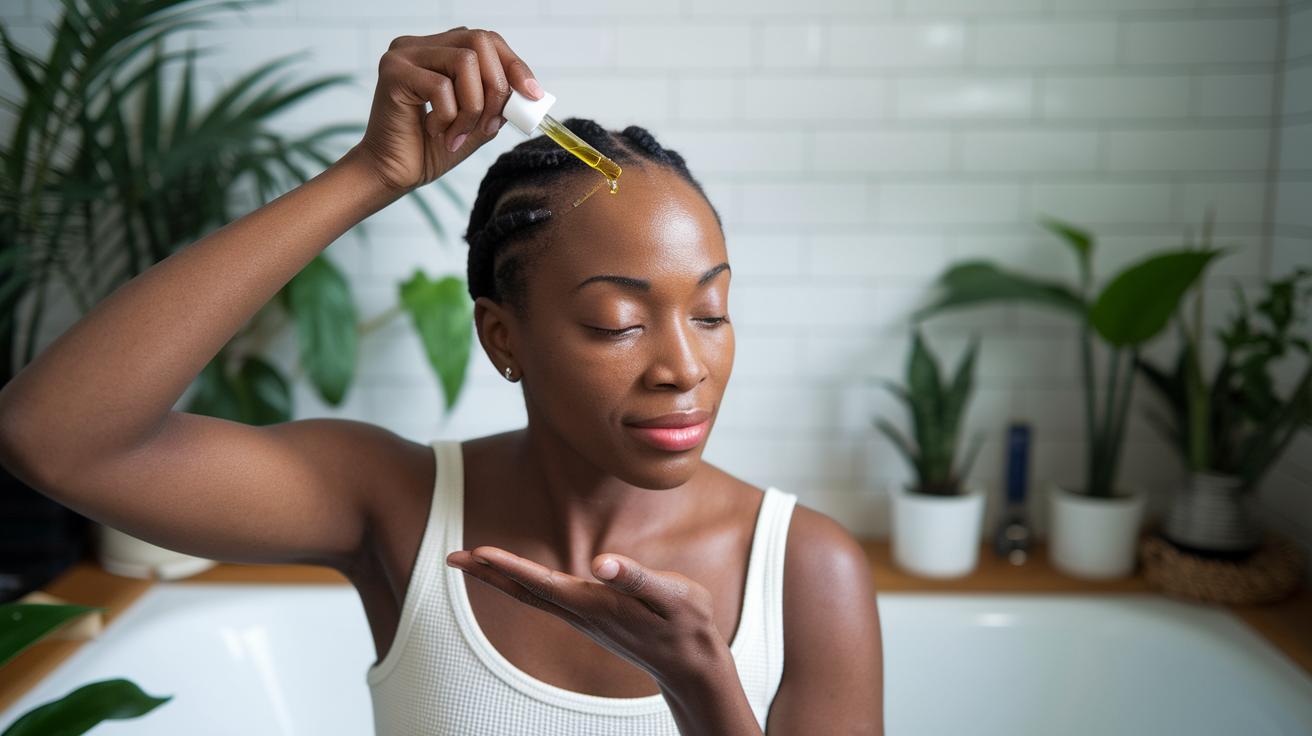
Oral supplements, like those found in Viviscal and Nutrafol, show promising results. Users have reported a 20 to 30% increase in hair thickness in about six months. For those with low biotin levels, biotin naturally lives in foods like egg yolks and liver, this vitamin can support overall hair health. But if your levels are already sufficient, taking extra biotin usually won’t reverse hair loss.
At-home topical treatments also help. DHT-blocking shampoos often include ingredients such as saw palmetto, ketoconazole (a compound used to fight fungus), and caffeine. Using these shampoos twice a week can boost the scalp’s well-being, kind of like clearing away dead leaves to refresh a garden. Think of your shampoo as a gentle cleanser that makes room for new growth.
Another natural method is using botanical oil infusions. Essential oils like rosemary, argan, and castor oil, when massaged into the scalp for five minutes 2 to 3 times a week, may enhance hair growth by around 11% over six months in early studies. Imagine a soothing massage where each drop of oil feels like a soft whisper encouraging your hair follicles to flourish.
Some people also try DIY methods like the inversion technique or homemade hair masks. While there isn’t plenty of clinical evidence to back these up, they can be a helpful addition to other treatments.
Lifestyle and Daily Care Strategies to Support Hair Regrowth
It all starts with checking your nutrient levels. If you find your iron is under 50 µg/dL or your vitamin D is less than 20 ng/mL, you might want to tweak your diet or take a supplement. It’s like giving your body the best fuel, much like topping off your car with premium gas.
Try to get about 1.2 grams of protein per kilogram of your body weight each day. Choose foods rich in zinc, B vitamins, and omega-3 fatty acids. This mix helps lay the foundation for strong hair regrowth.
Taking a break for stress relief is a big help too. Set aside about 10 minutes daily for a soothing scalp massage or a quiet moment meditating. Imagine your scalp getting a gentle, caring touch, as if you’re treating it to a mini spa session.
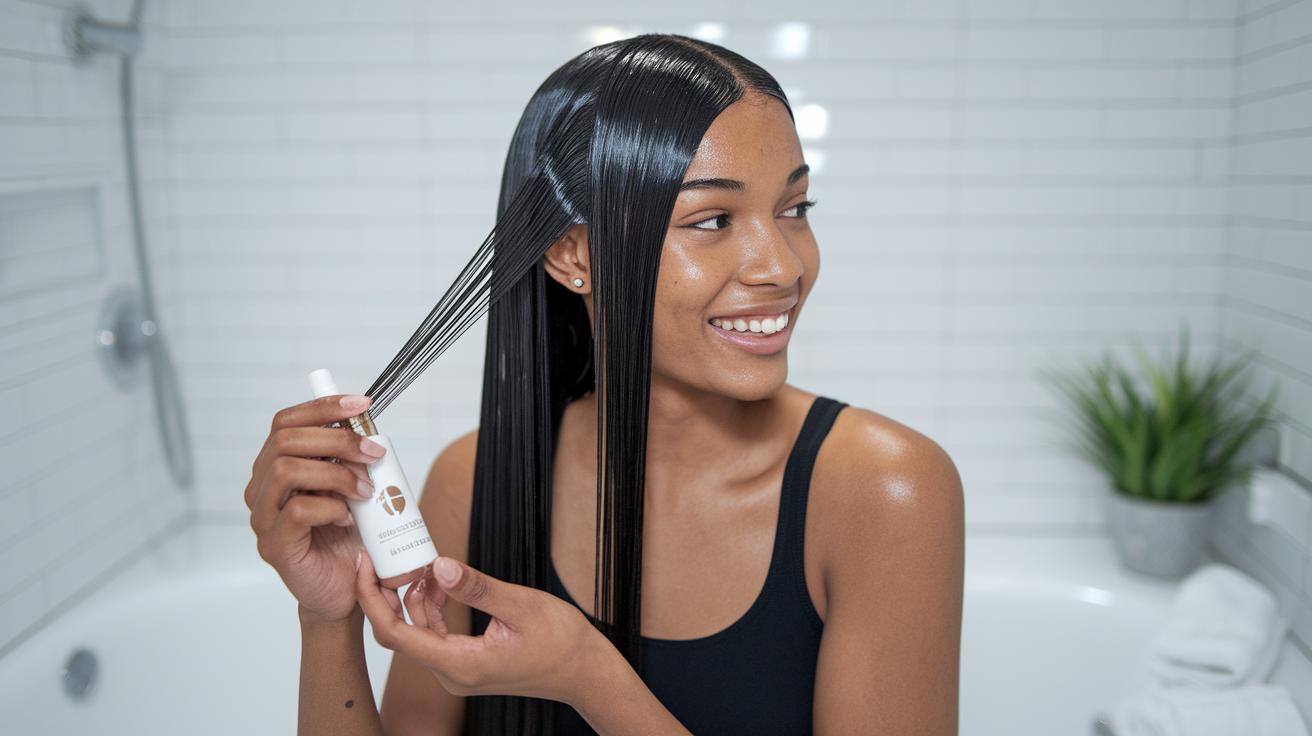
Finally, keep your scalp happy by washing it gently two to three times a week and using a leave-in serum. Avoid hairstyles that pull too tight or harsh treatments that can stress your hair roots. These simple habits can really boost your hair’s comeback.
Professional Guidance and When to Consult a Specialist
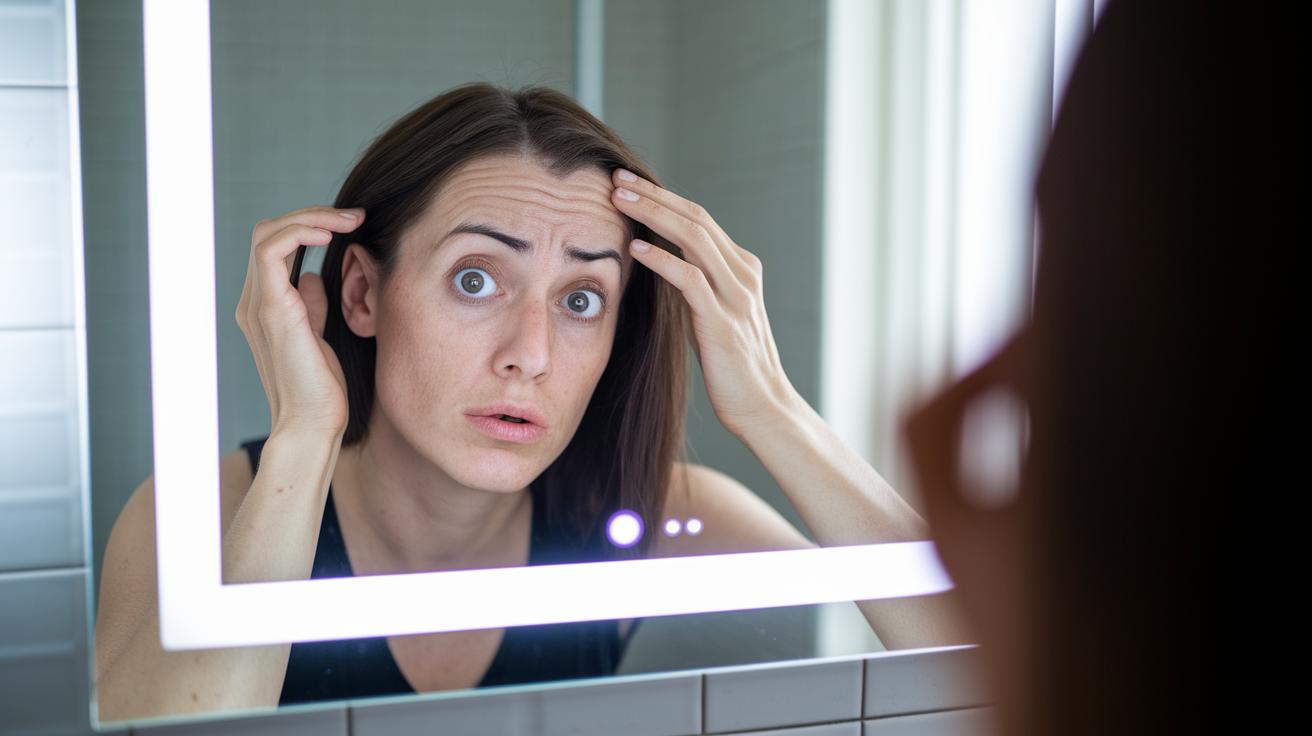
Sometimes you might notice more than 100 hairs falling out each day, or you may spot small bald areas or scars on your scalp. These signs can be your body’s way of hinting at issues like thyroid troubles or autoimmune conditions. It’s like a gentle whisper that something isn’t quite right.
When you see these signals, it’s a good idea to consult a dermatologist or hair specialist (trichologist). They’ll start by taking a good look at your scalp and doing a pull test to see how easily your hair comes out. They might also run some blood tests, like a complete blood count (CBC), ferritin, or thyroid tests, to search for clues. In some cases, they could suggest a small scalp biopsy to check if it’s androgenetic alopecia, alopecia areata, or telogen effluvium. Each condition has its own plan for care.
Catching the problem early can make a real difference. Studies have found that using treatments such as minoxidil along with PRP often boosts hair regrowth by about 25–35% in one year.
Key signs to notice:
| Warning Sign | Description |
|---|---|
| Excessive shedding | Over 100 hairs lost in one day |
| Bald spots or scars | Patchy hair loss or scarring on the scalp |
| Tests and examinations | Scalp exam, pull test, various blood panels, and sometimes a biopsy |
Talking to a specialist as soon as you notice these changes can kickstart a treatment plan that may help slow down or even reverse your hair loss. Isn’t it reassuring to know that early action could make all the difference?
Final Words
In the action, this post offered a quick overview of various ways to address hair loss. It compared FDA-approved drugs, surgical choices, in-clinic procedures, and natural at-home methods, while also touching on lifestyle tips and when to seek specialist help. The blog aimed to give clear insights and set realistic expectations for noticeable changes over time.
Keep exploring the treatment options for hair loss that best suit your needs, and step forward with confidence in better care ahead.
FAQ
What are the best treatment options for female hair loss?
The best treatment options for female hair loss include FDA-approved topical therapies, in-clinic treatments, and supportive natural remedies. A dermatologist can guide patients to a plan that addresses causes and promotes healthy regrowth.
What is the best treatment option for male hair loss?
The best treatment for male hair loss may include FDA-approved minoxidil and finasteride, along with in-clinic options like PRP injections. Men may also consider surgical procedures after consulting a specialist.
How do I stop hair fall immediately and promote regrowth?
Addressing hair fall immediately can involve proven treatments like minoxidil paired with supportive care that includes gentle scalp cleansing and nutritional support to promote regrowth.
What dermatologist treatment options for hair loss are available?
Dermatologist-approved treatments include prescription medications such as finasteride and topical minoxidil, alongside in-clinic procedures like PRP, low-level light therapy, and microneedling for enhanced regrowth.
What are the natural treatment options for hair loss?
Natural treatment options for hair loss include dietary supplements, DHT-blocking shampoos, essential oils, and gentle scalp massage routines that help support hair health and complement other therapies.
What is the most effective hair loss treatment?
The most effective hair loss treatment often depends on the individual. Many find that a combination of FDA-approved products like minoxidil, lifestyle adjustments, and in-clinic treatments such as PRP produces the best results.
What does the “Big 3” treatment for hair loss refer to?
The “Big 3” treatment for hair loss typically refers to a trio of options—minoxidil, finasteride, and low-level light therapy—that together target hair regrowth from multiple angles under professional guidance.
How can I fix older, thinning hair?
Fixing older, thinning hair involves a gentle approach with nourishing treatments, regular scalp care, and medical therapies recommended by a specialist to improve hair thickness and overall health.

