
Have you ever thought about why some groups worry more about their health than others? It turns out that many of these differences do not happen by accident, but because our systems don't always work the same way for everyone.
For example, Black and American Indian or Alaska Native communities often face higher risks for illnesses like diabetes and cancer. This happens because not everyone has the same easy access to quality care and resources.
In this blog, we'll break down what a health disparity means. By understanding that these care gaps come from unequal access to services, we can start to improve our health system so it serves us all better.
Health Disparities Explained: Understanding the Basics
Health differences mean that some groups don’t get the same care as others because of factors like race, ethnicity, and income. These aren’t just natural variations in health, they come from barriers built into our system. For example, Black and American Indian/Alaska Native communities often face higher death rates from issues like diabetes, cancer, and problems during pregnancy than White communities.
These gaps happen because people in some areas have trouble getting quality care, good education, or needed resources. Imagine a small town with few clinics or where language makes it hard to get help. That can lead to overall poorer health. There’s a fun fact to think about: before Marie Curie became famous, she used to carry test tubes of radioactive material in her pockets, not knowing the risks. In a similar way, health gaps can show hidden risks and unmet needs in everyday care.
Fixing these differences is important because it can lower extra health costs and help communities work better. With people of color expected to make up 52% of the U.S. population by 2050, understanding these issues is key to building a fair health system that works for everyone.
Social and Economic Determinants of Health Disparities
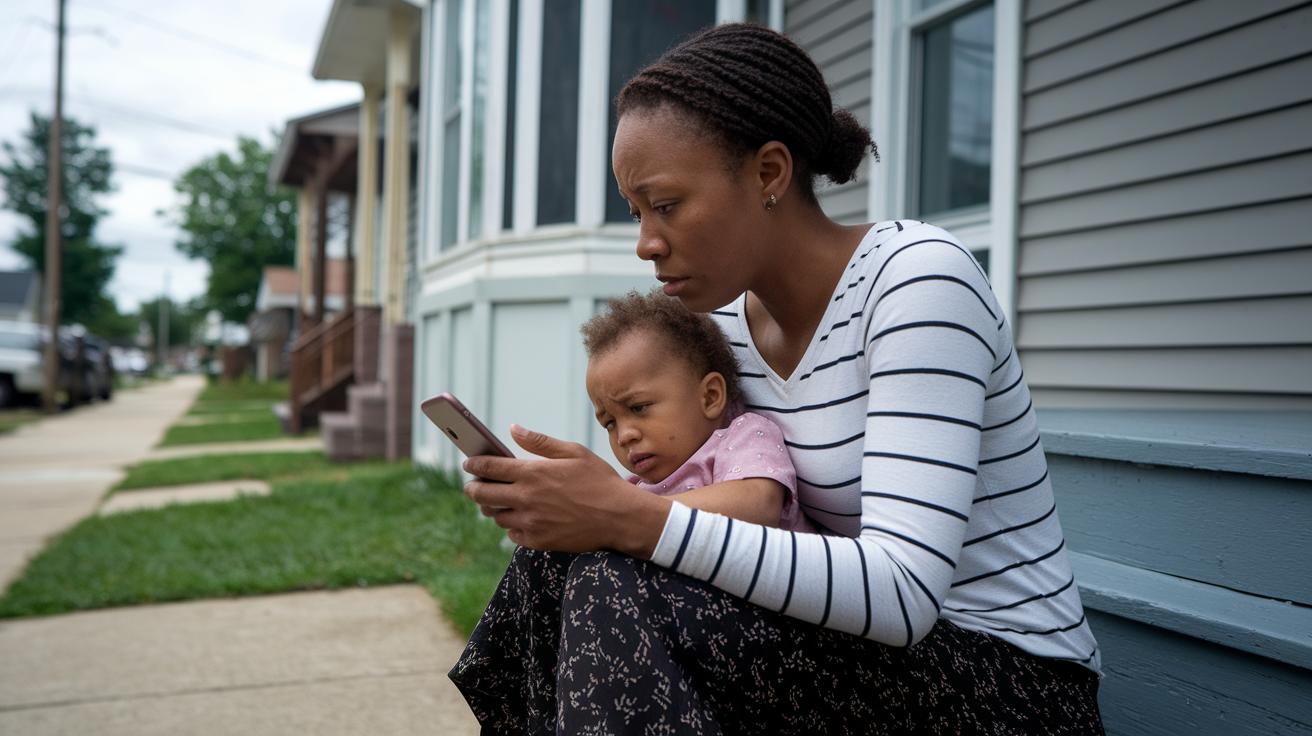
Income, education, housing, transportation, and neighborhood settings all play a big part in who gets care and how fast help arrives. These everyday factors can raise the risk for chronic conditions and make quality health care hard to get for some.
Low-income communities often struggle to receive proper treatment. Studies show that people in these areas face 20 to 60 percent more cases of heart disease, stroke, and diabetes compared to wealthier groups. And when language differences and limited health insurance join the mix, the hurdles only get higher.
Many non-English speakers find it tough to understand health advice or talk easily with their doctors. When communication isn’t clear, important information about prevention and treatment can be lost. Plus, without steady insurance, timely care can be out of reach, leading to even worse health outcomes.
Living in areas with few clinics, scarce public transportation, and little community help makes getting routine care even harder. Delays in treatment and missed appointments can start a cycle of growing health risks and complications. In truth, these everyday social and economic factors make a real difference in how people experience health care.
Racial, Ethnic, and Geographic Disparities in Care
Race, ethnicity, and where you live can change how you experience the health care system. For instance, Black mothers face pregnancy-related deaths three times more often than White mothers. This difference shows that care isn’t equal for everyone, even when they need it most.
People in rural areas also deal with extra hardships. Many must drive 30 or more miles to visit a specialist, which sometimes means health problems get diagnosed later. Just imagine needing a quick test but having to plan a day-long trip to reach a clinic. One patient shared, "I felt like I was risking my health every time I left home for care."
Cultural influences matter too. Some groups avoid going to the doctor because of mistrust and stigma. In fact, this can lead to up to 40% less use of mental health services. When someone feels judged or misunderstood, it makes asking for help that much harder. This uneven care shows that even when services are available, they aren’t reaching everyone fairly.
| Group | Example |
|---|---|
| Black Mothers | Face a pregnancy-related death rate three times higher than that of White mothers. |
| Rural Residents | Often travel 30+ miles for specialty care, which can delay important tests. |
| Cultural Minorities | May use mental health services up to 40% less due to stigma and mistrust. |
These examples remind us how unevenly health resources are spread out. Addressing these gaps is essential for making sure everyone gets fair and effective care.
Measuring and Analyzing Health Disparities

Measuring differences in how people stay healthy is essential to spotting gaps in care. Experts use tools such as rate ratios to compare group outcomes, absolute differences to show clear gaps, concentration indices to see how differences spread among people, and life expectancy gap analysis to reveal variations in years lived. It’s eye-opening to learn that minority groups in the U.S. face a 25% higher chance of dying from treatable conditions compared to some wealthy nations.
These methods show us that life expectancy can differ by 5 to 10 years in the same area, depending on income. Think about two neighborhoods only a few blocks apart, one community enjoys steady quality care, while the other struggles with inconsistent health services, costing residents precious years.
By using these clear frameworks, experts turn numbers into strong signals for change. They carefully study the data to spot care gaps and gather solid evidence to drive practical solutions. This approach not only outlines the problem but also guides community efforts and policy changes that help make healthcare more fair for everyone.
Policy and Systemic Strategies to Advance Equity
Policy changes are a big deal when it comes to making sure everyone gets fair treatment. They set the rules for key programs like Medicare, Medicaid, CHIP (a program that helps kids get health insurance), and ACA marketplaces. Over 5 million disenrollments from Medicaid in one day revealed how policy can directly impact people's ability to get care. For example, when the government stopped continuous Medicaid enrollment on March 31, 2023, more than 5 million people lost their coverage.
State actions also play a role in shaping fair access to care. After the Dobbs decision, 26 states passed laws that affect access to reproductive health services, which may make it harder for some women to get the care they need. It’s a clear example of how government rules can change who finds it easier to get help and who faces more hurdles.
Reform efforts aim to balance these rules at both the state and federal levels to improve access for everyone. This means updating who qualifies for help, speeding up paperwork, and setting clearer guidelines for fair treatment. When policies change for the better, they create a real-life impact on patients who deserve safe and reliable care.
In the end, strong legal rules and thoughtful reforms are key to making health care more equal and accessible for all.
Community and Clinical Interventions for Disparity Reduction

Community and clinical actions are essential for bridging gaps in care and promoting fairness in our health systems. Simple ideas can lead to big changes. For example, mobile health clinics have boosted screening rates by 30% in rural spots. Imagine a small, mobile clinic arriving in a remote town, a welcome boost that brings needed tests and professional advice straight to people’s doorsteps.
Local health worker programs also work wonders. These trusted community figures share health tips and guidance in a down-to-earth way, leading to a 25% increase in preventive services among minority groups. Picture a caring neighbor visiting your community, explaining simple health tips and making healthy living more accessible.
Telehealth is another game-changer. During tough times like the COVID-19 pandemic, telehealth made it easier for patients to access care, increasing service uptake by 35%, especially for mental health and chronic condition management. Think about having a quick chat with your doctor right from your living room, skipping long drives and wait times. It’s a safe, convenient way to stay on top of your health.
Key strategies include:
- Mobile health clinics: Taking important screenings and services right to rural communities.
- Community health programs: Boosting preventive care with trusted local support.
- Telehealth expansion: Making it simple for patients to get timely advice and manage health without traveling.
Each approach shows how blending community care with modern tech can ease access challenges. By using these methods, health providers can better reach patients, overcome barriers, and create a system that feels fair and responsive to everyone’s needs.
For instance, one community health center shared, "Using mobile clinics, we reached more patients in one day than we had in a whole week of traditional office visits."
Final Words
In the action, we explored how unequal access to healthcare leads to differences in outcomes, such as higher mortality and chronic disease risks among certain groups. The discussion moved from measurable examples to how policy reform and community interventions are boosting care fairness. These topics help answer what is a health disparity by showing real-life impacts and ways to overcome them. This thoughtful examination highlights hope for better patient care and robust health communication. The positive steps taken by communities and providers give us reason to feel assured about the future.
FAQ
What is a health disparity as defined by experts and the CDC?
The health disparity definition describes differences in health outcomes and access to care driven by social and economic factors, such as race, income, and education. The CDC measures these gaps.
What are examples of health disparities in everyday life?
Health disparities examples include differences in life expectancy, disease prevalence, and care access among groups. For instance, Black mothers experience much higher pregnancy-related mortality rates compared to White mothers.
Why are health disparities important in public health?
The importance of health disparities lies in their impact on care quality and overall community health. Addressing them can reduce extra medical costs and improve outcomes for underserved populations.
What are the main causes of health disparities?
Causes of health disparities include social and economic inequities, such as low income, reduced education, and limited access to healthy living conditions. Barriers like language differences and insurance gaps also contribute.
How do health disparities differ from health inequities?
The difference is that health disparities are measurable differences in health outcomes, while health inequities refer to unfair, avoidable differences in care that arise from social and economic disadvantages.
What do racial health disparities show in healthcare?
Racial health disparities illustrate that certain racial groups experience lower care quality and higher disease rates. Studies show Black and American Indian populations often suffer worse outcomes compared to White populations.
What do recent healthcare disparities statistics reveal?
Healthcare disparities statistics reveal gaps such as a 25% higher mortality rate from treatable conditions and life expectancy differences of up to 10 years between socioeconomically different groups, highlighting significant care variations.

