
Have you ever thought that one small daily habit could really change how you manage a chronic illness? Keeping a symptom journal might be the hidden key to feeling better. Research shows that many people with long-term conditions often miss little signs about their health. Imagine jotting down that extra tired feeling after lunch and starting to see clear patterns over time. This post shows you how a daily symptom log can help you and your doctor adjust your care, making your health journey more active and effective.
How Symptom Tracking Enhances Chronic Disease Management
Tracking your symptoms every day can really change how we manage long-term illnesses. CDC data shows nearly 60% of U.S. adults have at least one chronic condition, and about 40% live with more than one. With digital tools, you can easily record how you feel, note when you take your medication, and log your daily activities. For example, you might write down, "I felt extra tired after lunch," which can later be linked to specific triggers and help adjust your care. It’s as simple as noticing a spike in fatigue when you skip breakfast and realizing that your energy drops because of it.
This ongoing record lets your doctor and you see clear trends, helping to create a treatment plan that's just right for you. With digital monitoring, you might even find that you need fewer visits to the doctor, and your care team can coordinate better. Keeping an updated log of your symptoms means you catch changes early, allowing for tweaks in your treatment that make a big difference. In the end, symptom tracking makes your health journey more interactive, personal, and effective.
Boosting Symptom Awareness With Self-Reported Insights
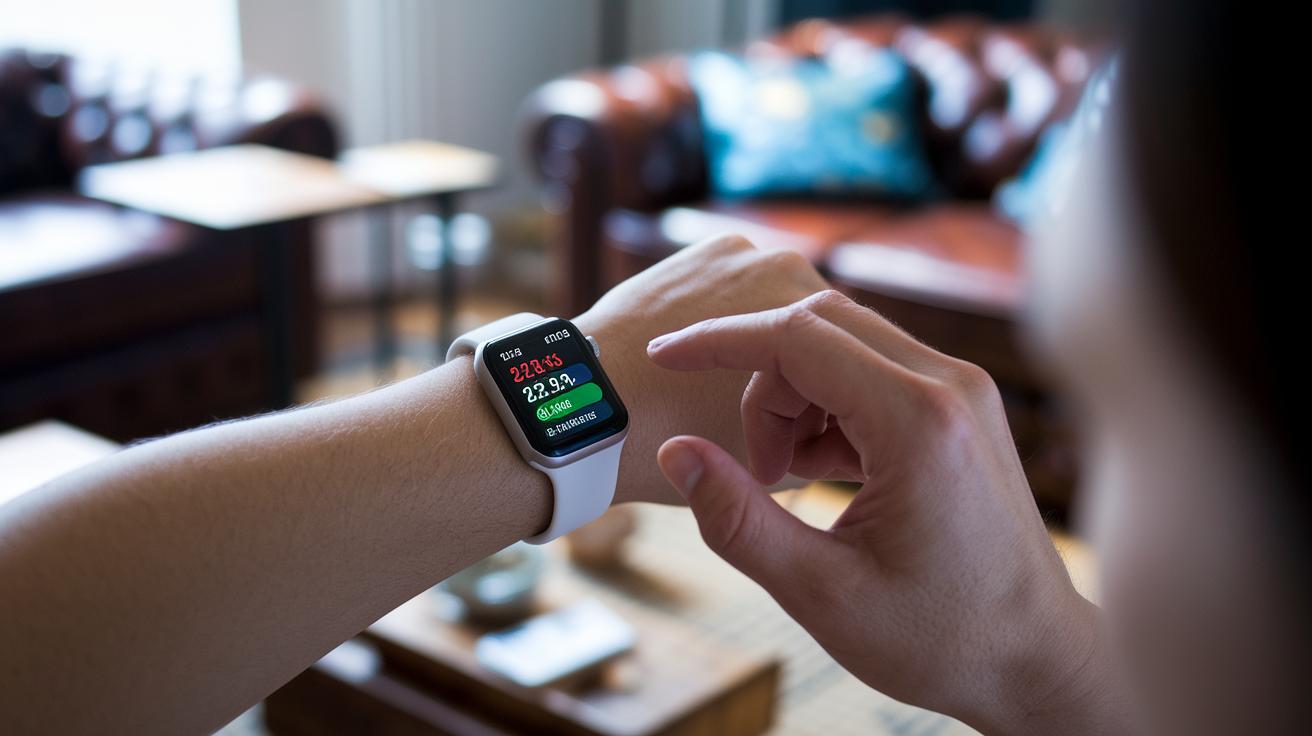
Technology is now blending symptom tracking with smart wearables. Devices like smartwatches and fitness trackers automatically log details such as heart rate, step count, and daily activities. For example, after a brisk walk, your smartwatch might record 4,000 steps along with a drop in stress levels.
New self-assessment tools make tracking even easier. Many apps ask simple questions like, "How do you feel right now?" This quick check helps capture changes in your mood and energy throughout the day. Imagine feeling uneasy at 3 PM and using a mood check to remind yourself to take a short break.
Sticking to a regular self-reporting routine can be challenging for some. Using daily reminders or setting a brief, consistent check-in can make the process feel less burdensome. You might simply note, "Felt extra tension after a long meeting," which adds a clear and personal touch to your health record.
Linking automatic data from your wearable with your own self-assessments creates a fuller picture of your well-being. This combined approach not only supports your personal review but also makes it easier to share precise details with your care team.
Detecting Complications Early Through Real-Time Feedback
Real-time health feedback is like having a caring friend who alerts you when things might be off. When you use a simple mobile app to log your symptoms, you can catch changes right as they happen. For instance, if you have asthma and notice that your breathing is getting tougher suddenly, the app can help you act fast before it turns into a full-blown flare.
This quick check-in not only eases anxiety, but it also builds your confidence. Many chemotherapy patients share that tracking their symptoms gives them a sense of security, knowing someone is always keeping an eye on their health. It makes you feel more in control and involved in your own care.
Smart tools work by studying the details you log, spotting little trends before they become big problems. Think of it like a friendly reminder from someone who cares, if your energy fades a bit or discomfort starts to creep in, your care team can step in quickly. This means small adjustments can be made early on to help stop complications from growing worse.
Every day, patients benefit from this real-time feedback by catching even minor changes that could lead to flare ups. With easy digital tracking in place, early interventions become a regular part of managing your health, making sure that no little warning goes unheard.
Facilitating Data-Driven Care Decisions and Communication

When you keep clear, daily symptom notes, modern tools turn these small details into helpful hints for treatment. For instance, writing something like “I felt extra low around noon” helps smart programs pick up on little changes, which can lead to better care choices. And a note like “I felt a bit off after my regular walk” might start an automatic check, so nothing important slips by unnoticed.
Using new tech really makes a difference in your health journey. Systems that combine your notes with data from wearables give doctors a full picture of your well-being. One real-life example showed that regular monitoring helped doctors notice early signs of trouble, allowing them to adjust treatment in time. Even small changes in how you feel can point to important shifts in your health.
When care teams use this kind of detailed, organized data, they can see the whole story much more clearly. A recent case showed that blending logged symptoms with other digital health data made it easier to find the right diagnosis and change treatments, leading to better care. This way, every decision is backed by clear, trustworthy information.
| Patient Log | Clinical Insight |
|---|---|
| “I felt extra low around noon” | Notice small trends that help tailor therapy |
| “I felt a bit off after my regular walk” | Automatic review to support prompt adjustments |
Customizing Treatment Adjustments With Tracking Data
When you take a close look at your symptoms, you're doing more than just jotting down your day. You're giving your care team the clues they need to shape a treatment plan just for you. For instance, one patient mentioned, "I felt extra shaky after my morning dose," which helped the doctor adjust the dose exactly without changing everything all at once.
Dr. Jane Williams says, "Keeping detailed notes helps us see exactly when and how a treatment might need a tweak. It's those tiny changes in your everyday reactions that guide us in perfecting your medication."
Another patient shared, "I felt calmer and more in control when my doctor made small adjustments based on my daily mood." This kind of personal touch clearly sets apart simple symptom tracking from making smart, targeted medication changes.
| Step | Description |
|---|---|
| 1 | Data Entry: Write down your exact feelings and any side effects, like feeling shaky after a dose. |
| 2 | Clinician Review: Your healthcare team reviews your notes to spot small yet important trends. |
| 3 | Treatment Adjustment: Your medication is fine-tuned based on how you respond day by day. |
- These detailed notes help your doctors tell the difference between overall trends and specific reactions to your medication.
- Personalized logs make it easier for experts to adjust treatments so they work best for you.
Practical Tools and Strategies for Effective Symptom Tracking

Begin by choosing a tool for keeping track of your symptoms using simple, clear steps. Start with a mobile app that offers daily prompts to guide you. For example, you might see a prompt asking, "How did you feel after lunch?" and then note, "After lunch, I felt a 3."
Next, connect your diary with a wearable device that automatically collects important data like your heart rate, sleep quality, and activity levels. One device even tracks when your heart rate drops during sleep. Check our guide on wearable tech for more details if you need extra help.
Then, pick platforms that can merge your daily logs with your health records to create auto-generated summaries. This way, your system combines today's entry with past data, giving your doctor a clear picture of any changes.
| Feature | Benefit |
|---|---|
| Mobile diary with daily prompts | Helps you record your symptoms step by step |
| Wearable device connection | Automatically gathers key health details like heart rate and sleep quality |
| Combined data summaries | Merges today’s entries with past logs for easy trend reviews |
Follow these steps to build a simple and practical digital diary that supports clear, informed care decisions.
Overcoming Challenges: Privacy, Compliance, and Sustainable Tracking
Sometimes you might forget to log your symptoms, especially when you feel overwhelmed or tired. A missed entry can reduce the accuracy of your records. Imagine receiving a friendly reminder like, "Time for your daily check," nudging you to jot down even a quick note about your day. This small step helps keep your log steady and your information reliable.
Keeping your data safe is our top priority. We use strong encryption and follow healthcare privacy rules (HIPAA) to protect your details. Tools like secure messaging apps, even the ones available at https://medsfax.com?p=11, help send your notes safely. With every log securely protected, your care team sees only trusted and accurate information.
Simple interfaces and smart reminders make logging easier, while shared goal-setting tools add an extra layer of support. These features work together to guard your data and keep your tracking both precise and secure. Isn't it nice to know that every bit of your information is safe and sound?
Final Words
In the action, this article highlighted how recording symptoms daily shines a light on individual health trends. A digital log helps spot changes early, guides treatment tweaks, and supports clear discussions between patients and clinicians.
Using a secure, digital health platform makes the benefits of symptom tracking for chronic disease clear. With better data sharing and care coordination, patients feel empowered, and medical teams can deliver more personalized care. The future of seamless health management looks bright.

